Gel’s and Electro Pads used for Dry Therapy Treatment Systems for People in Norwich

Gel’s and Electro Pads

Due to a recent article in regards to gel’s and electro-pads used for dry therapy treatment systems .

We would like to make it very clear that we take considerable care about all the equipment we use, on our clients.

including the choice of pads and gel’s.

We only use high grade products with the emphasis on them being Hypo-allergenic .

We always ask our clients if they have any allergies, and would not put our clients at any risk.

We would also like to point out, that out of the clients we have treated, since we have been here in Norfolk

Not 1 client has had a problem with or a Reaction to the products we use.

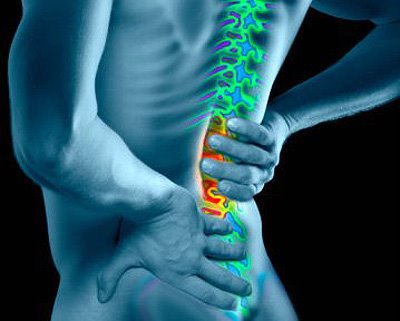
Sciatica or Piriformis Syndrome, in Norwich and Norfolk ?

Sciatica

Sciatic Pain or Piriformis Syndrome can present similar symptoms, but which is it. ?

Recently many people have come to our clinic , presenting  with what they thought to be

The Dreaded Sciatica!  believing it is something they are going to have to live with. So what is it, how do we know we have it, how does it affect us and most of all how do we get rid of it ? Because believe me when I say” If you have ever had Sciatica you want to get rid of it.”

What is Sciatica ?

Although Sciatica is a relatively common form of Low Back Pain and Leg Pain, the true meaning of the term is often misunderstood. Sciatica is a set of symptoms rather than a diagnosis for what is irritating the root of the nerve, causing the pain. This point is important, because treatment for sciatica or sciatic symptoms often differs, depending upon the underlying cause of the symptoms and pain levels. One thing is for sure Sciatic pain is produced when you have pain along the sciatic nerve. 

What causes it Sciatica ?

is usually caused by a  spinal disc herniation  (rupture) of the inner part of the disc that surrounds the outer disc .of by compression of the Lumber Nerves L3,L4,or L5 causing pain in the lumbar region (Lower back), compression of the sciatic nerve itself or the Sacral Nerves  S1,S2 or S3, thus hitting the sciatic nerve and radiating to the buttocks and to the back of the thigh.

How do you know what is causing it ?

Unfortunately you don’t you just feel the pain, your Doctor or therapist will be able to explain more, but sometimes only a scan will tell you what is really going on, but here are a few causes. When sciatica is caused by compression of a dorsal nerve root(radix) it is considered a lumbar radiculopathy(or radiculitis when accompanied with an inflammatory response). This can occur as a result of a spinal disk bulge or spinal disc herniation (a herniated intervertebral disc), or from roughening, enlarging, or misalignment (Spondylolisthesis) of the Vertebrae , or as a result of  degenerated discs that can reduce the diameter of the lateral foramen through which nerve roots exit the spine. We do know that Sciatica due to compression of a nerve root is one of the most common forms of  radiculopathy  and is often postural caused by an anterior pelvic tilt.

How do you know what is causing it ? Unfortunately you don’t you just feel the pain, your Doctor or therapist will be able to explain more, but sometimes only a scan will tell you what is really going on, but here are a few causes. When sciatica is caused by compression of a dorsal nerve root(radix) it is considered a lumbar radiculopathy(or radiculitis when accompanied with an inflammatory response). This can occur as a result of a spinal disk bulge or spinal disc herniation (a herniated intervertebral disc), or from roughening, enlarging, or misalignment (Spondylolisthesis) of the Vertebrae , or as a result of degenerated discs that can reduce the diameter of the lateral foramen through which nerve roots exit the spine. We do know that Sciatica due to compression of a nerve root is one of the most common forms of radiculopathy and is often postural caused by an anterior pelvic tilt.

Pseudo Sciatica or non-discogenic Sciatica ?

Also causes symptoms similar to spinal nerve root compression, is most often referred pain due to damage to facet joints in the lower back and is felt as pain in the lower back and posterior thighs. Pseudo sciatic pain can also be caused by compression of peripheral sections of the nerve, usually from soft tissue tension in the piriformis or related muscles

Piriformis Syndrome.

Also causes a sciatic issue. People have come to us with Piriformis Syndrome , as it also a cause of sciatic pain is the muscle tightens thinking they have Sciatica and leaving it just taking pain killers when if they would have come sooner we could have treated it very quickly as Piriformis Syndrome is caused when someone has been sitting for a long period of time, through working at a desk, not stretching, driving for long periods of time. The sciatic nerve runs close to the Piriformis muscles and muscle irritation and tight muscles create pain. Also hip external rotation can create this condition e.g. driving a manual vehicle . The Piriformis is a a muscle in the gluteal area. Known also as a lateral rotator, working along with five other muscles they do a major job to keep you in action.

I thought labour had been painful, but the pain I was experiencing with my back was on a par!

Sciatica may also occur during pregnancy.

As a result of the weight of the fetus pressing on the sciatic nerve ladies we know this is painful and we sympathize with you, yes it can cause leg spasms. While most cases do not directly harm the foetus or the mother, indirect harm may come from the numbing effect on the legs which can cause loss of balance and falling.

There is no standard treatment for pregnancy induced sciatica, we can help with gentle massage doing your leg exercises, swimming,

making sure you clench the glutes when you get up and please do that slowly.

If you did need help or advice please give us a call.

Why we can help you to get better quicker.

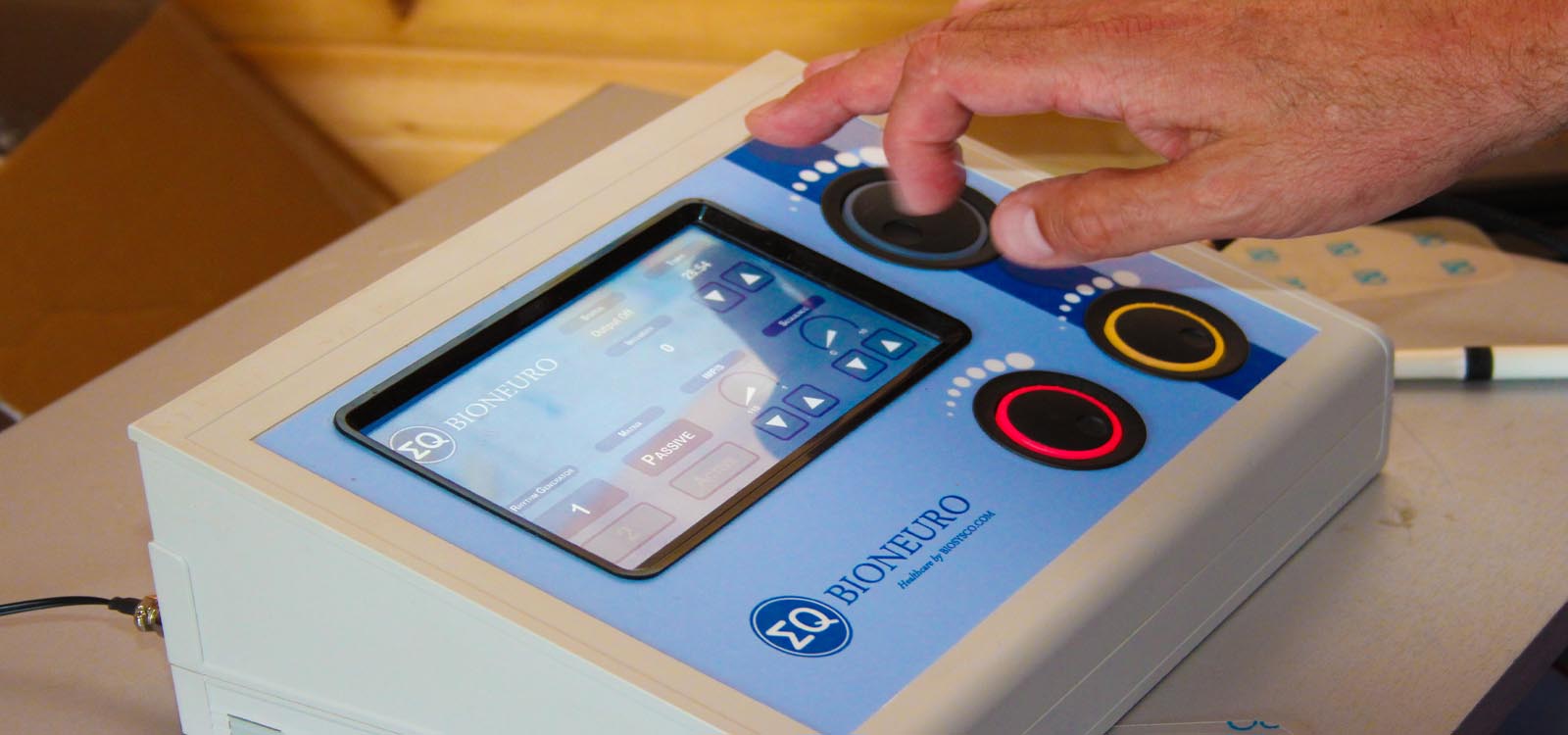
With a combination of  Neuromuscular Techniques Rehabilitation Massage and The Bioneuro Therapy System Sigma Q (∑Q®)that works deeper that acupuncture allowing us to get to the root cause, help release your Piriformis muscle, ease the Sciatica Symptoms that will result in you being a pain free.

Carpal Tunnel, Cubital Tunnel or Guyon’s Tunnel Syndrome Help In Norwich Norfolk

Carpal Tunnel

Ok folk’s Carpal tunnel, Cubital tunnel or Guyon’s tunnel syndrome

Most people have heard of Carpal tunnel syndrome, not many know of Cubital Tunnel and how many of you know about Guyon’s tunnel syndrome. Cubital tunnel and Guyon’s tunnel syndrome are other names for Ulnar nerve entrapment, but in different parts of the arm.

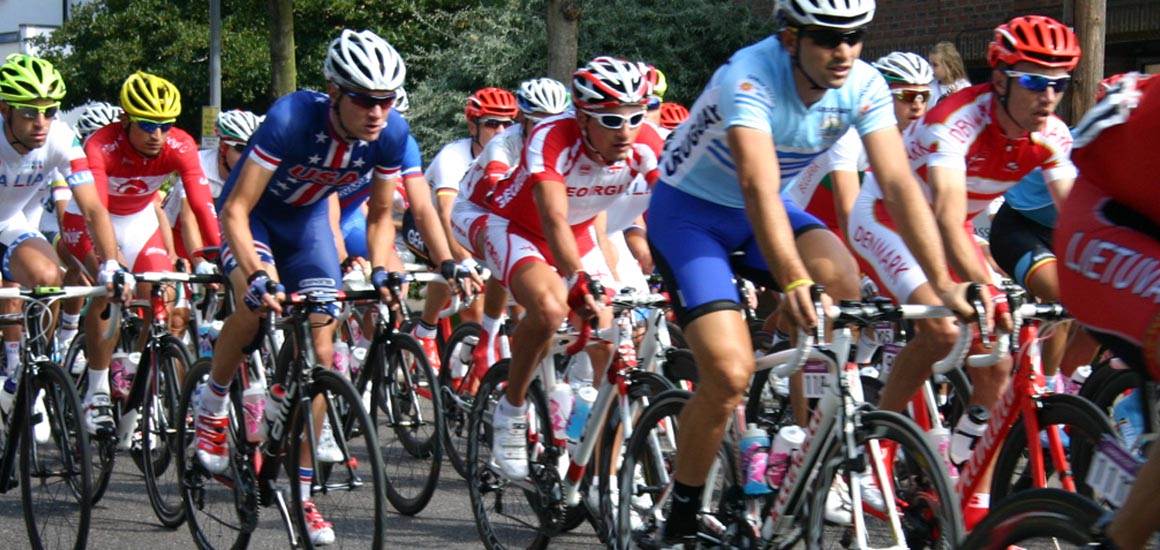
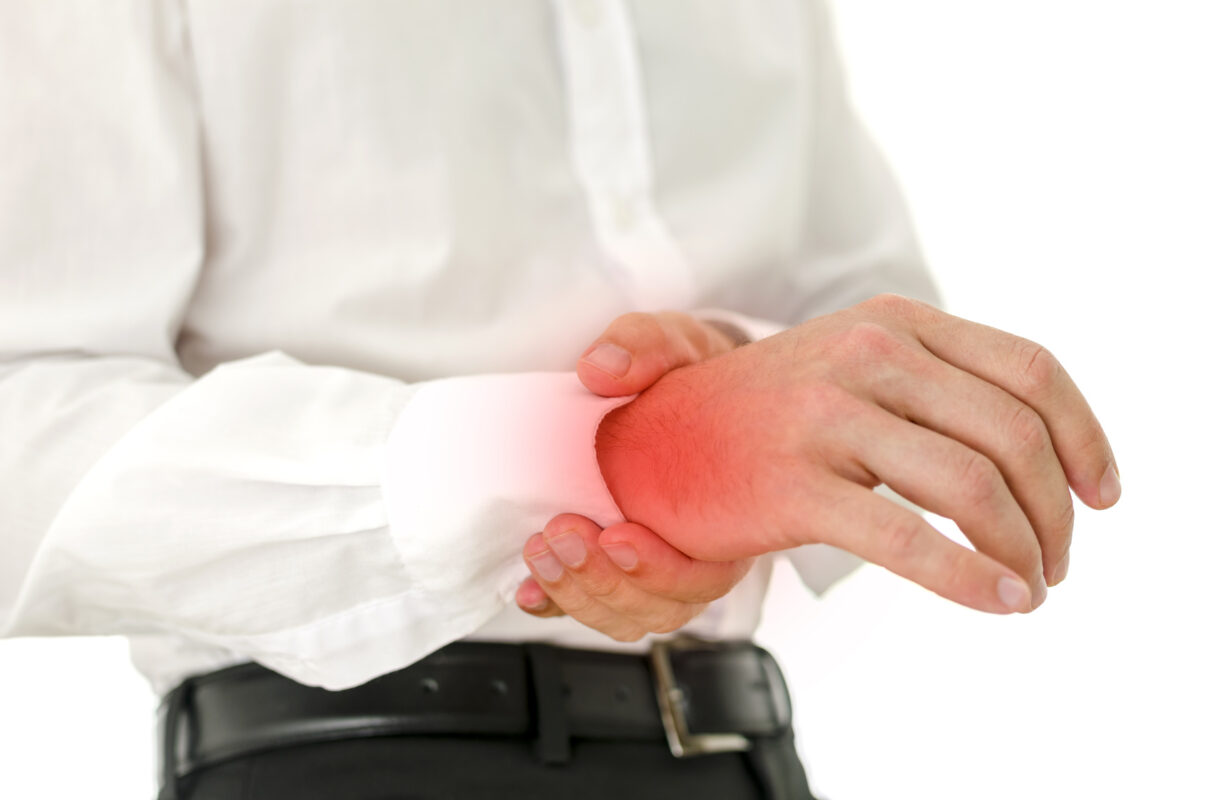
Guyon’s Tunnel Syndrome. Is a common nerve compression affecting the Ulnar nerve as it passes through a tunnel in the wrist called Guyon’s canal It is a similar problem to Carpal tunnel syndrome, but involves a completely different nerve. With Guyon’s tunnel syndrome you will get a feeling of pins and needles in the ring and little fingers, this may also progress to a burning sensation or pain in the wrist and hand it may then be followed by decreased sensation in the ring and little fingers. I reckon a few avid cyclists are going to recognize this symptom as one common cause of this syndrome is from pressure of bicycle handlebars.

Guyon’s Tunnel Syndrome.

Is a common nerve compression affecting the Ulnar nerve as it passes through a tunnel in the wrist called Guyon’s canal It is a similar problem to Carpal tunnel syndrome, but involves a completely different nerve. With Guyon’s tunnel syndrome you will get a feeling of pins and needles in the ring and little fingers, this may also progress to a burning sensation or pain in the wrist and hand it may then be followed by decreased sensation in the ring and little fingers. I reckon a few avid cyclists are going to recognize this symptom as one common cause of this syndrome is from pressure of bicycle handlebars. Or it can be also be caused by hard, repetitive compression against a desk surface while using a computer mouse. I would not be surprised if most of you have said I have suffered from that, some of you may do still. If not treated the problem will worsen and the result can lead to “ The claw hand or  Guyon canal stenosis”, or even  nerve compression at the wrist. This is an example of the Ulnar Paradox. Also, if the nerve is compressed at the wrist, the back of the hand will have normal sensation.

So folks don’t leave it,

When a person gets tennis elbow, one or more of the tendons in their elbow becomes. Painful. Swollen and tight the pain occurs at the point where the tendons of the forearm muscle attach to the bone. Twisting movements, such as turning a door handle or opening the lid of a jar, are particularly painful. In other words your arm aches so much that you don’t want to move it Please DO NOT REACH FOR THE HEAT PAD’S, GEL OR ANY THING LIKE THAT. The first thing you need is our old friend ICE and yes you will have to rest the arm, in around three quarters of cases of tennis elbow, the dominant hand (the one that is used the most) is affected.

Cubital Tunnel  Syndrome

This occurs when the Ulnar nerve is obstructed during its path along, the “you guessed it folks the   Cubital tunnel”, this is at the outer edge of the elbow. “A bit like the Norwich train into London on a bad morning” When compression of the nerve happens it often leads to a tingling or ‘pins and needles’ sensation in the little and ring fingers a lot of you may wake up some mornings with this feeling and folks this is the main reason why, though in most cases it is minor and will tend to come and go over time. Because folks it is possibly due to your sleeping habits as the common causes is sleeping with the arms folded up, so the hands are, at or under your neck and the elbow is sharply bent. This is when people frequently wake up with tingling in the fingers, because the nerve has been pinched or squeezed while you’re asleep, it is easy to remedy by simply altering you’re  sleeping position to avoid aggravating the elbow area. In more extreme cases however where tingling is persistent, Damage to or deformity of the elbow joint then increases the risk of Cubital tunnel syndrome.Also if  you have other nerve entrapments elsewhere in the arm and shoulder can lead to a higher risk for Ulnar nerve entrapment.

There are good reasons to get this treated and not just leave it thinking it will go away by itself because it won’t, some people who suffer from diabetes mellitus are in the higher risk category for any kind of peripheral neuropathy, including ulnar nerve entrapments along with people who use vibrating tools at work, or other causes of repetitive activities increase the risk.

You may have a cortisone injection for temporary relief,  you may then go on to need surgery as an option to move the nerve away from the area,  but with. 

The Bioneuro System Sigma Q(∑Q®) and Neuromuscular Injury Release Techniques we can help you without the invasive surgery or injection and it works

I will point out that although the, Ulnar nerve can be entrapped in several places near the elbow; the Cubital tunnel is the most common.

Hand Numbness or Ulnar Neuropathy This is experienced as pain and numbness of the small and ring finger, arm or wrist and is associated with pressure on the handlebars for long periods of time. This is more than likely to be an over use injury,

Carpal tunnel Syndrome

Most people have heard of Carpal tunnel syndrome  “ It use to be a typist  syndrome”, though these day with more and more of us using the keyboard at our computers  quite a few more people have been diagnosed with it , but do you know what it is and why and how it can be helped , it is in fact entrapment of the median nerve that  causes carpal tunnel syndrome, recognized by numbness in the thumb, index, middle, and half of the ring finger.  It is very rare to have compression of the radial nerve that would cause the numbness feeling to be at the back of the hand and thumb,

The difference between the Ulnar nerve condition and a Median nerve condition is that with the Median nerve the index and middle finger cannot be flexed when the patient is told to make a fist. However, in the Ulnar nerve the little finger and ring finger cannot be un-flexed if the patient is told to extend fingers. That is just one test and the most obvious. Some people are affected by multiple nerve compressions, this can then complicate diagnosis.

The main symptom of CTS is intermittent numbness of the thumb, index, long and radial half of the ring finger the numbness often occurs at night, the hypothesis being that the wrists are held flexed during sleep. Although recent literature suggests that sleep positioning, such as sleeping on one’s side, might be an associated factor. The pain and the numbness can be so intense that it can wake you up from your sleep that can lead to the person being depressed

The Doctor will consider this as Palliative treatments for CTS this includes the use of night splints and corticosteroid injections till they have to perform surgery. There are a lot more factors to Carpal Tunnel Syndrome and we could write pages on it but information is out there, but if you need help with it we can help with 

The Bioneuro System Sigma Q(∑Q®) and Neuromuscular Injury Release Techniques can help you without the invasive surgery or injection and it works.

Hamstrings Cause Lower Back Pain.Getfitstayfit Norfolk Can Help

Painful Calf Strain, How we at Getfitstayfit Norfolk CAN HELP YOU

Do you know where your Hamstrings are and what they do?

Well folks they are at the back of the leg behind the thigh, there are three muscles that when grouped together are known as the hamstrings. These muscles have a lot to do with how flexible we are. They are what keep us moving in many of our daily activities, including walking running and jumping and cycling with their opposing muscles the quadriceps, together they determine a good measure of our grace stance and flexibility.

The torn hamstring is a common athletic injury. This does not mean that it only happens to athletes’ though you have probably heard it mentioned during the Olympics. It happens to lots of people who start off with good intentions to do sports, but not with the right training or backing.

The torn hamstring is a common athletic injury.

This does not mean that it only happens to athletes’ though you have probably heard it mentioned during the Olympics. It happens to lots of people who start off with good intentions to do sports, but not with the right training or backing.

The clinical presentation of this injury to a therapist can be quite dramatic and in the case of what is called an avulsion of the proximal hamstring origin. Surgery to reattach is the only answer.

You may also have heard about Victoria Pendleton and her Hot Pants, no folks she was not starting a 1960-70’s revival. She was wearing special pants to warm up the Hamstrings.

The three muscles, are the Semitendinosus, Semimembranosus, and Biceps Femoris (which has two heads) to flex the knee and extend the hip (except for one head of the Biceps Femoris). The hamstrings also cross and act upon the joints of both the hip and the knee, they need to warm up considerably for a Racing cyclist as when they take off at speed they burn a lot of energy and exert a lot of pressure up the leg and demand a lot of power from the leg.

When looking at these three muscles with four attachments. They all insert on the tibia and fibula of the lower leg crossing and essentially connecting with the muscles of the calf as they pass each other on the way to insert on the femur (thigh bone). They all originate on the Ischial Tuberosity, or should I say the bonny part you sit on of the Pelvis. But one of the heads of the Biceps Femoris originates on the Femur bone itself.

Semitendinosus and Semimembranosus extend the hip when the trunk is fixed; they also flex the knee and rotate the lower leg, i.e.  When you bend the knee the long head of the Biceps Femoris extends the hip when we begin to walk. Both heads flex the knee and rotate the lower leg out when the knee is bent.

The fact is that many people have very tight hamstrings. Is due poor posture it is the main reason though the tendency these days towards a sedentary lifestyle does not help. Jockey’s suffer from tight Hamstrings, as this was something I dealt with quite a few times when I lived in Epsom, unfortunately Saturday and Sunday Sports when people have been sedentary all week then think they are 20 again at the weekend, not warming  up and stretching , can cause a lot of problems and various injuries. The fact is that Tight Hamstrings are caused due to the Hypertonicity causes fluid movement to be hampered when this condition occurs, Tight Hamstrings can also cause Lower Back Pain as the tightness can pull the pelvis out of its correct aligned position.

“The Multifidus is a very deep muscle in the human body and an excessively hard muscle to work on manually, but with treating Trevor with The Bioneuro Sigma Q, a piece of equipment that uses electrical frequency and can reach into deep muscles without being invasive, at the same time aiding neurotransmitters and blood supply to the area.”

5 Main reasons why we have tight Hamstrings


1)     If you have a sedentary lifestyle due to work and you’re sitting or driving for a long time your Hamstrings are left to shorten they don’t do what they should be doing like stretching and walking, folks get out of the chair have a walk around or when you pull into a garage have a stretch you will feel better for it.

2)     How you sit how many of us automatically, when in a chair at the computer put our feet back under the chair and hold our knees tight together, if you look down now you’re probably doing it, this causes unnatural tension on the Hamstrings, try stretching the legs out in front of you for a while and do a few circles of the feet it will loosen them up a bit.

3)     You may have a back problem and sometime it is the Hamstrings that are causing the back problem, first of all your Hamstrings will try to stabilise the back so while compensating for a bad back become painful also, at the same time if you have tight Hamstrings they will cause you to have a bad back, this can happen to women with pelvic problems and also athletes.

4)     Lack of core strength this again is because the Hamstrings have to stabilise the trunk, you have to build up core stability “ladies see Pelvic Pain on my blog it is essential you build up you Core Stability and guys Pelvic Stability for you should be a no brainer have a look at the blog

5)     Habitual movement patterns I reckon we all know it takes about 28 days to change a habit and this is also true of habitual movement patterns and you do have to consciously change them if your Hamstrings dominate in your hip extensions “this means your leg moving backwards “over time it will hurt this movement should be dealt with by your Gluteal Muscles and be done in a fluid movement.

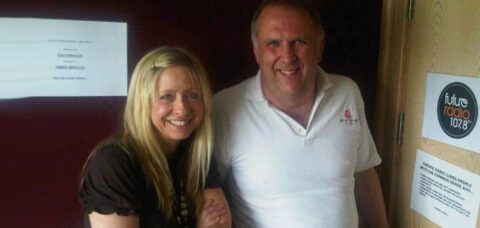
Steve on Future Radio.

Future Radio

Listen to Steve Kirby of Getfitstayfit Norfolk talking to Julie Bishop the Host  on Future Radio

Discussing how sports and exercise, impact on our lives and how he can help with injuries, to help people get back to being on top form.

The impact on people and their working and home life, the need for exercise, but also warming up doing what is right for you , how to help with injury and rehabilitation after injury. 

http://futureradio.co.uk/podcast/2012/august/steve-kirby-get-fit-stay-fit

Back, Shoulder and Neck Pain ( Cervical Pain) Management in, Norwich, Norfolk

I was born with scoliosis and had a Spinal Fusion at three years old. The operation worked very well up until the age of around 20 when I started to notice lower back pain. This increased over the years leaving me struggling with chronic pain. I tried various things like epidural and nerve root injections but nothing seemed to work. In June 2016 I underwent surgery to correct the curve in my spine, taking a piece out and replacing it with a metal cage as well as two metal rods either side for support. Unfortunately during the operation The surgeon caught my spinal cord leaving me in Spinal Shock and temporally paralysed from the waist down, but within days I started being able to move my legs very slightly but I was unable to move my toes or my feet.

Back, Shoulder and Neck Muscular Pain

In any form is sickening and debilitating for any one. Those in acute and chronic pain need all the factors and causes to be considered and every one requires an individual treatment plan to get them back to fitness.

Muscular pain comes from such things as a spasm or cramp. This is very often due to a serious lack of circulation. People often talk about the term “Hypertonic”. This means   to the resting “tone” of the muscle tissue.  A simple explanation of “Hypertonic” is that muscles are unable to relax.

Reasons why Get Fit Stay Fit Norfolk can help you recover quicker

Patients come to my clinic desperately looking for a drug, pain killer free method of Pain management which we can offer them. They want to get on with their lives; they don’t want to have the worry that any medication is only masking potential problems.

Firstly we use the “Bioneuro Therapy System Sigma Q (∑Q®)” This works deeply into the body, opening up many areas that are injured, but it is not invasive “no needles nothing to be scared of”. There are studies in which patients have reported a considerable reduction in the need for medication to control pain. 

Bioneuro Sigma Steve Kirby in Use

Also post and pre surgery, especially for orthopaedic issues the “Bioneuro Therapy System Sigma Q (∑Q®)” has hastened a quicker recovery.   

We use Neuromuscular Injury Release Techniques along with Sports Therapy and Remedial Massage Recently an in depth report stated that massage techniques such as  myofascial release may include various techniques, including effleurage, petrissage, friction, and tapotement. It has been shown to improve flexibility, decrease the perception of pain, and decrease the levels of stress hormones, all good when you are recovering from an injury. As Stress can, slow down recovery considerably.

Following this we introduce a remedial exercise plan, to ensure muscles are strengthened to help prevent further injury. Everyone is an individual and what works for one client may not work for another, so we adjust our treatments and recovery plan to suit them, it is all about recovery at a steady pace and that steady pace is the clients, if need be we will recommend other specialist to help with recovery,  your body knows when it can do more so you must always work with the body, don’t push it to soon or you will be pushing it further back, and we will be there for our client as they progress to “ Feel the Freedom From Pain”

Muscle Injuries to Cyclist in Norwich, Part 2

Guyon’s Tunnel Syndrome. Is a common nerve compression affecting the Ulnar nerve as it passes through a tunnel in the wrist called Guyon’s canal It is a similar problem to Carpal tunnel syndrome, but involves a completely different nerve. With Guyon’s tunnel syndrome you will get a feeling of pins and needles in the ring and little fingers, this may also progress to a burning sensation or pain in the wrist and hand it may then be followed by decreased sensation in the ring and little fingers. I reckon a few avid cyclists are going to recognize this symptom as one common cause of this syndrome is from pressure of bicycle handlebars.

Ok we have given few ideas and advice , we wanted to talk to a Cyclist of whom we have a lot of respect for what he has achieved and influenced normal guys to get on their bikes.

In the words of “Toby Field = The Fat Cycle Rider” though if you met him now that is far from the truth “if  I can do it anyone can” well folks this is true.

After talking to Toby he said one tip he had for folks is  “stretching muscles before as a warm up and after as a cool down”  this is essential because if you don’t, the muscles that you have not used will scream at you, so make it a ritual every time,

Toby found this out the hard way as no one told him about things he should be doing when he first started.

Let’s give you a few snippets of areas we are going to cover in more depth.

We do hope they are of interest, if any of you have need or require advice or any problems you want to share with us.

We will love to hear from you.


So what is Tendinosis? Well the point is most pain within the Achilles tendon, may be classified as Tendinosis. This may be because it involves tendon degeneration, whether it has inflammation or not. In addition, the tendon may become weakened and lose its structure. Aging plays it own part in this process, repetitive injury, or a minor trauma, through occupation or sports. Whatever the reason, “Without proper treatment and healing time, of the area Tendinosis will eventually progress to partial or complete ruptures, if you continue to put high pressure on them, that are physically demanding.

Achilles Tendonitis

Achilles tendonitis is a chronic injury that occurs primarily from overuse. We will be doing a separate piece about Achilles tendonitis for you folks to read.

As it tends to come on gradually over time until pain is constant and exercise or activity too painful to continue, people dismiss the initial symptoms and think that if they just carry on it will go away, “Sorry folks this is not the case, the sooner it is dealt with the better.”

This painful condition of the tendon in the back of the ankle, when left untreated, can lead to an increased risk of Achilles tendon rupture.  It is better to have a short time off to get it sorted sooner than leave it as it may lead to surgery.

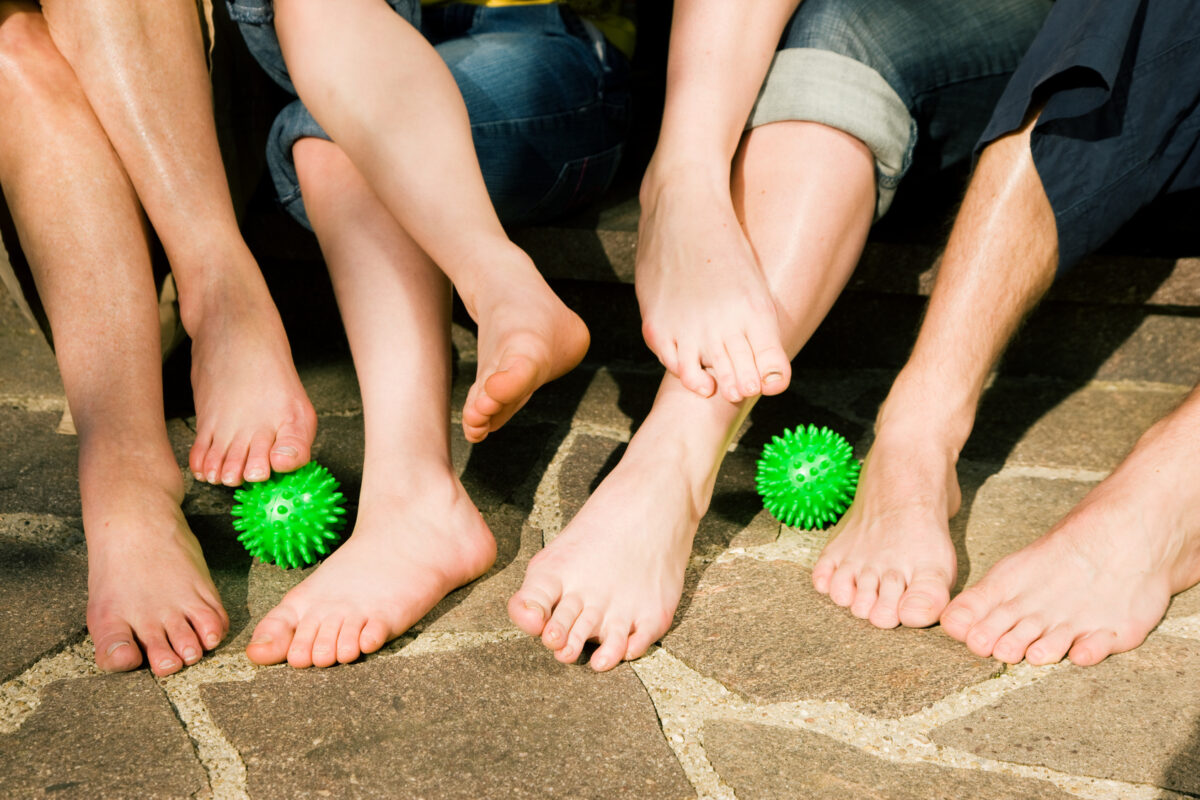
Looking after your feet. It is Essential. If your a runner at some point your will get the urge to try for one of the Big Ones you will want the medal , so preparation is of the utmost importance. Having looked after a quite a number of runners at events including the London Marathon, I have seen some injuries cause by the wrong shoes from gait to knee injuries, lower back problems and messed up feet, a lot of these injuries could have been prevented by the right footwear, we recommend and advise our clients to go to a good Sports shop, that know what they are talking about . The reasons why you need a certain shoe, from the shape to the type of material structure of the shoe. As Sports Injury Therapist I don’t sell shoes, but I do have a very good relationship with some Sports shops so I asked for advice on your behalf from a very reputable company this is what Neil of Sportlink Running-Fitness Specialists had to say .

 Plantar Fasciitis

Lots to talk about on this one again we have done a separate piece about this subject, the problem though is helped a lot with special exercises, give us a call and we can help with this one quite quickly.

Plantar fasciitis is the most common cause of pain on the bottom of the heel (Policeman’s Heel) and usually defined by pain during the first steps of the morning.

Arch Pain
Arch pain again this is a common foot complaint, it is also sometimes called a strain, it often causes inflammation and a burning sensation under the arch of the foot this will cause you to favour the other foot.

Therefore putting your bio- mechanicals out of sync you need to get it sorted so other problems don’t arise, if you had a puncher you would not ride your bike on it.

So why would you not fix your injuries in the same vain.  Again this is one of those complaints that will need the right exercise treatment also adaptive footwear and inserts can help.

The problems below need more detailed information, we will discuss them a lot as individual subjects.

Severe Pain Across Lower Back And Down Both Legs

External Iliac Arteriopathy is it as Uncommon Cause of Leg Pain in Cyclist  as it Was ?

Did you think cycling at a high intensity could really damage the leg arteries? It sounds unlikely it sounds scary, but some elite cyclists have experienced Arteriopathy, or damage to the arteries of the pelvis, groin or lower leg. And for this reason we state that if you show any signs of the problems.

 GO AND SEE YOU DOCTOR

 Iliotibial Band Syndrome

IT band friction syndrome often results in knee pain that is generally felt on the outside (lateral) aspect of the knee or lower. People often get this confused with a meniscus problem, so we will explain them separately again look at Bretts Knee on our website

I started to get a sore hip about 23 years ago, it’s on set coincided with starting to drive. It hurt on and off for about 16 years, it was inconvenient at times, but not too bad. Then just over 7 years ago my whole lower back and hamstrings became very tight and sore pretty much all the time. There were periods when my Piriformis muscle was so painful I could not stand still for more than 2 minutes.

Piriformis Syndrome 

We deal with this one a lot as people go to the doctor thinking they have sciatica they end up with pain killers to mask it, only to find when they stop the painkillers, it is still there and it will not go away.

If the piriformis muscle becomes tight or cramps, it can put pressure on the sciatic nerve and cause gluteal (or buttock) pain or sciatica.

It needs Neuromuscular Injury Techniques to get in there to release the muscles , “don’t leave it “ and yes we can use the Bioneuro on it to deal with it quicker and the relief is fantastic so my patients say.

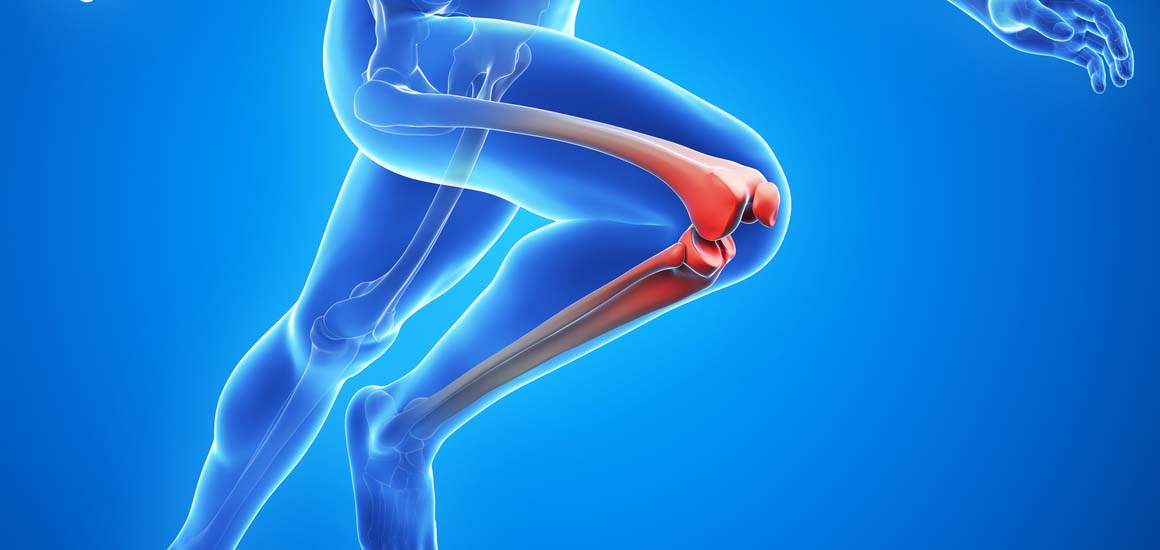
Why Knee Pain Norwich

 Knee Pain

Lots to talk about on Knees you can read about quite a few issues on our website, and we will try and answer any questions you have on knees so this section we have put together for you to give you an idea

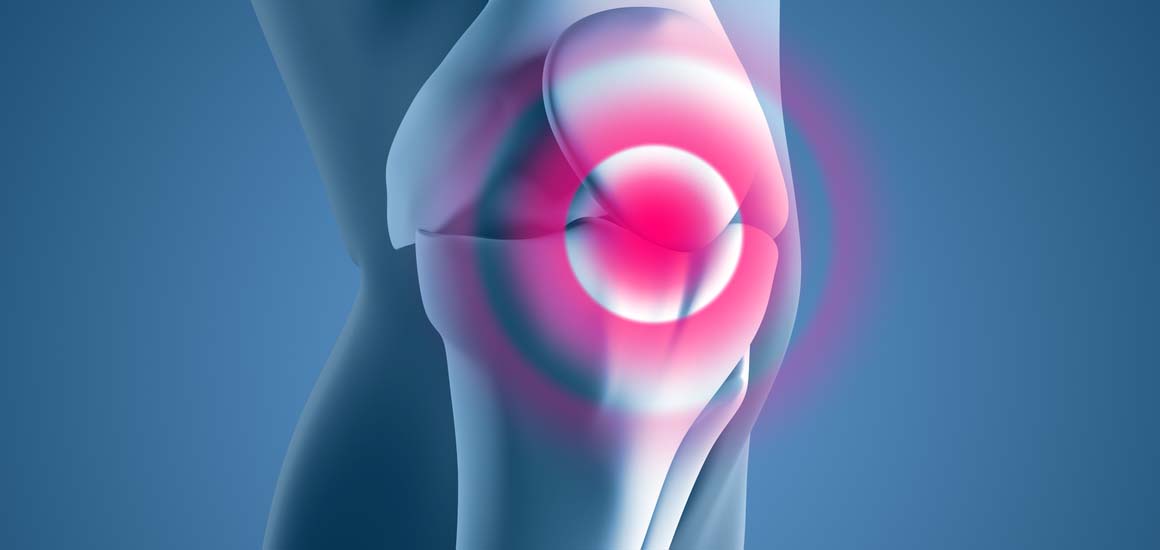
Knee pain is extremely common in cyclists. In order to treat the cause of the pain, it is important to have an evaluation and proper diagnosis.

This may involve a scan, and in some cases’ Surgery may be needed, this is not the end of the world and we can help, but as with all injuries the sooner intervention occurs and treatment begins the better.

Common reasons for knee pain in athletes include the following:

 Patellofemoral Pain Syndrome

Sounds like it is. Pain under and around the knee cap it is also called “Runner’s Knee.” Runner’s knee’ used to be known as Chondromalacia patellae, but is now more often referred to as Patellofemoral pain (PFP). 

This is because the patella, fails to move smoothly and centrally through the femoral groove at the lower end of the thigh bones.

This is sometimes due to muscle imbalance or abnormal anatomy, but it can also be the result of another injury which causes you to favour one leg in some way. Again you will be putting your Bio-mechanicals out of sync.

Signs

You may suffer a persistent ache in the kneecap, which worsens with certain exercise, or you’ll feel a sudden, stabbing pain in the knee while running or riding, which eases off when you rest.

Despite the acute pain, your joint may look normal. Sitting with your knees bent, can make things worse, it use to be that  More women suffered from this problem than men, as  it often occurred in people with jobs which involve lots of sitting with knees bent under the desk.  

Things have changed and men do spend a lot of the time behind desks and more men are staring to ride at a later stage in their lives, because they sit behind a desk all day, they take up riding as the main exercise.

Now this is when we have a problem as riding you need to have knees bent, it will also cause problems for people who go running on hills or hard surfaces, we have found a lot of cyclist also like to run so this can be a double whammy..

Your doctor may try Clarke’s test, in which they’ll pull the kneecap towards your toes while inviting you to gently straighten your knee. It is painful; they’ll feel a roughness or grating as the uneven rear surface of the patella moves through the femoral groove.

The right exercises will help and you must keep an eye on your trainers, Looking after your Feet always makes sense.


You may suffer a persistent ache in the kneecap, which worsens with certain exercise, or you’ll feel a sudden, stabbing pain in the knee while running or riding, which eases off when you rest. Despite the acute pain, your joint may look normal. Sitting with your knees bent, can make things worse, it use to be that More women suffered from this problem than men, as it often occurred in people with jobs which involve lots of sitting with knees bent under the desk. Things have changed and men do spend a lot of the time behind desks and more men are staring to ride at a later stage in their lives, because they sit behind a desk all day, they take up riding as the main exercise. Now this is when we have a problem as riding you need to have knees bent, it will also cause problems for people who go running on hills or hard surfaces, we have found a lot of cyclist also like to run so this can be a double whammy.. Your doctor may try Clarke’s test, in which they’ll pull the kneecap towards your toes while inviting you to gently straighten your knee. It is painful; they’ll feel a roughness or grating as the uneven rear surface of the patella moves through the femoral groove.

Osteoarthritis of the Knee


Osteoarthritis is the most common type of arthritis in athletes. It is a degenerative disease that results in a gradual wearing a way of joint cartilage. This is something you will discuss with your doctor although nothing can be done to prevent this happening we can help with the pain, also help reduce the swelling and aid with keeping the range of motion.

These are the typical symptoms of osteoarthritis are pain, swelling, and a decrease in the range of motion of the knee.

Morning stiffness that decreases with motion is also common. A knee replacement is often the case, but keeping the muscles supple leading up to surgery and post surgery is vital.

This is when the Bioneuro system can really help, as my own wife can testify after having to have a knee replacement herself and most people will tell you replacement knee is harder than a replacement hip.


Delayed-Onset Muscle Soreness

This is on the website and we can make a big difference to this one but you must contact us as a matter of ASAP
This is Muscle pain at it worse some think and I don’t blame them this is when your muscles as I have said before scream out at you, believe me you will know about it .

Stiffness and  soreness will occur between 24-48 hours in some cases sooner , after unaccustomed or particularly intense exercise, this is why you must do cool down stretches  as well as warm up ones. 

You must keep up your fluid intake don’t forget drink when you feel thirsty and get those Bananas down you, also folks a glass of Skimped Milk can make a big difference, also please make sure you have increased your Vitamin D3 you have to keep on top of this. 

Delayed-Onset Muscle Soreness This is on the website and we can make a big difference to this one but you must contact us as a matter of ASAP This is Muscle pain at it worse some think and I don’t blame them this is when your muscles as I have said before scream out at you, believe me you will know about it , Stiffness and soreness will occur between 24-48 hours in some cases sooner , after unaccustomed or particularly intense exercise, this is why you must do cool down stretches as well as warm up ones. And keep up your fluid intake don’t forget drink when you feel thirsty and get those Bananas down you, also folks a glass of Skimped Milk can make a big difference.

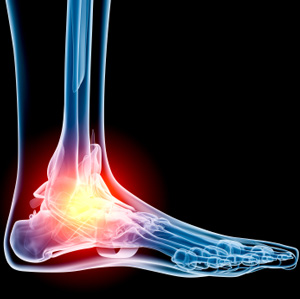
Advanced Ankle injury treatment in Norwich, Norfolk.

Achilles Tendon

Ankle Injury in Norwich

It is going to happen with the advent of the new seasons for Football and autumn and winter activities we should be aware of our ankles!

We thought you would like to be aware of accidents can happen and a statement of a two clients whom we treated and have been restored to full fitness quickly!

The ankle is a multifaceted joint that is capable of a wide range of movement: flexion, extension, inversion and eversion as well as a combination of other movements.

The most common ankle injury is a lateral inversion sprain. Some of the reasons can be the following.

  • Weak muscles/tendons that cross the ankle joint, especially the muscles of the lower leg that cross the outside or lateral aspect of the ankle joint.
  • Weak or lax ligaments that join together the bones of the ankle joint – this can be hereditary or due to overstretching of ligaments as a result of repetitive ankle sprains;
  • Poor ankle flexibility
  • Inadequate joint proprioception (i.e. sense of joint position);
  • Slow  motor neuron muscular response to an off-balance position;
  • Running on uneven surfaces;
  • Wearing high-heeled shoes – due to the weak position of the ankle joint with an elevated heel, and a small base of support.    

Did you know that 5,000 people sprain their ankles each day in the UK research has shown.

Graded from grade 1 to grade 3 these sprains are classified.

Symptoms of a sprained ankle

The symptoms associated with a sprained ankle include:

  •  Dull pain
  •  inflammation
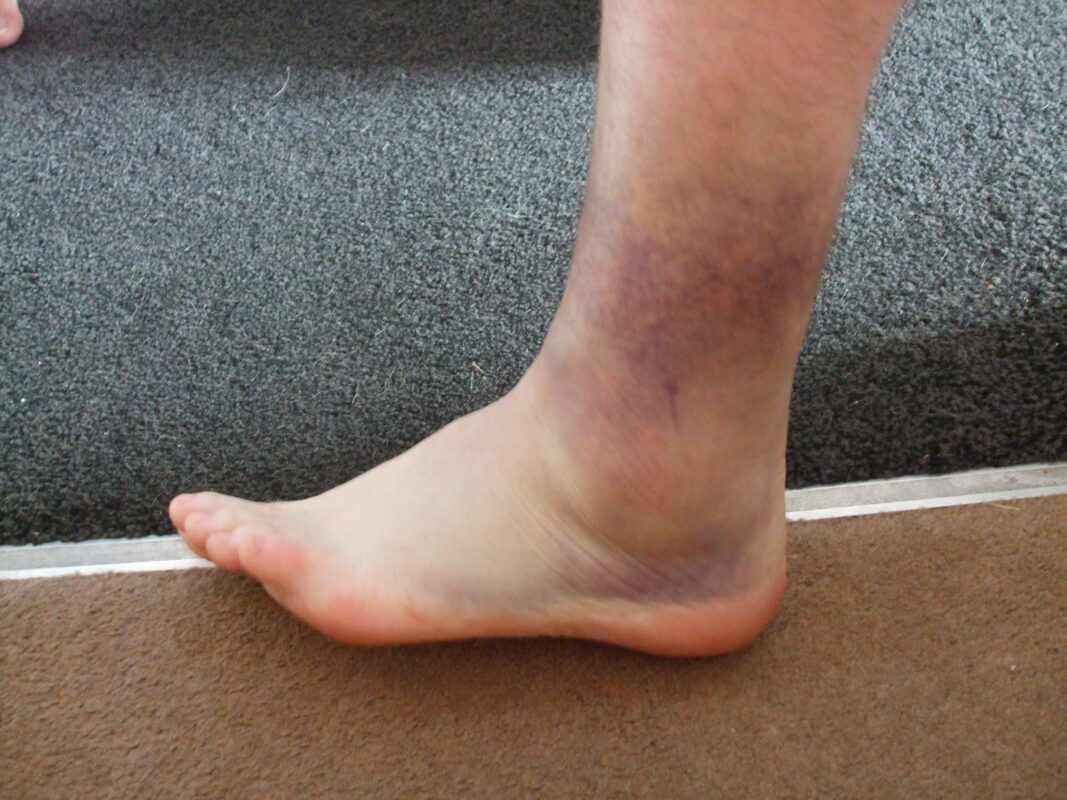
  • bruising
  • constrained movement

Diagnosis of a sprained ankle

Your Doctor or Sports Therapist will ask about your symptoms and examine you. They should ask you about how the incident occurred.

Your GP, Sports Injury Therapist or Physiotherapist will want to rule out a broken bone (fracture) and assess how severe your injury is.

You may require an x-ray if it is considered your injury is severe and may need more specialised interventions.

Treatment of a sprained ankle and why the Bioneuro Therapy System Sigma Q (∑Q®)along with Neuromuscular injury Therapy Techniques, will help you to recover quicker, than Conventional Exercise Treatment .

 Working on the Central and Peripheral Nervous System  opens up nerve and blood supply to the area and helps to decrease swelling rapidly , thus aiding the healing process means  a quicker return sport and everyday life.

Having helped many people with such injuries and dealing with some horrific ankle injuries one in particular springs to mind. (My client has given his consent for this to be published)

Having helped many people with such injuries and dealing with some horrific ankle injuries one in particular springs to mind. (My client has given his consent for this to be published) “Whilst in my garden, attending to my roses I slipped and lost my footing .I went one way and my ankle went the other .The pain was excruciating, I managed to get into my house and applied “ICE” to attempt to keep the swelling down.

“Whilst in my garden, attending to a few job’s as you do when you get chance.

I slipped and lost my footing .I went one way and my ankle went the other .The pain was excruciating, I managed to get into my house and applied “ICE” to attempt to keep the swelling down.

As I had previously suffered an injury, and been treated by Steve Kirby, of Getfitstayfit Norfolk on the “Bioneuro Therapy System Sigma Q (∑Q®) before. I gave Steve a call and asked if he could assist me. He agreed and came round to attend to this new injury.

I might add here it was a Sunday afternoon and I was not looking forward to having to go to casualty.

Following a assessment he put my feet on pads and more pads on my back the pain was so bad on the ankle, I would have been on the roof if anyone would have touched it.

Turning on the system I felt an almost instant relief of pain. Also the swelling went down considerably. Steve suggested it should be x-rayed to be on the safe side.

As the swelling was down they would be able to X-ray it thankfully the X-ray showed no fractures, as during my youth I had damaged my ankle and was off work for a long period of time. 

This time with a few treatments on the system , I was back at my full ability within a much shorter period.

So thank you Steve and Bioneuro Therapy System Sigma Q(∑Q®)”.

Scott 

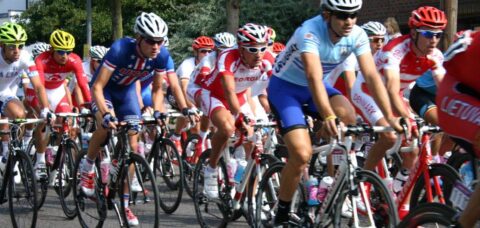
Muscle Injuries to Cyclist in Norwich.

Cyclist in Norwich

This article is in 2 parts.

We do hope it helps all you Newbie Cyclists and maybe some of the more advanced riders.

We are all pleased about Bradley Wiggins and according to the independent “Way back in 1993, when Bradley Wiggins travelled to Paris to see Spaniard Miguel Indurain stand triumphantly on the Champs-Élysées for his third of five Tour de France wins, the Londoner could surely never have thought that 19 years later the spark of inspiration that Indurain’s win created that day inside him would one day lead, Wiggins to follow his boyhood idol’s footsteps on to the Paris podium and in the process become the first Briton to seal overall victory in cycling’s biggest race.”

It was great news, he had been cycling and preparing for this event and his goal from being a child, what he and other cyclist have done for the sport is fantastic. More people are getting on their bikes and that is no bad thing, they even have a name for these gents on bikes MAMIL‘s, so be it whatever the name it is doing some good. Not everyone is Bradley Wiggins and not everyone is so committed or prepared.

We however need to point out some things to get you started keep you on track and help if or when you don’t stick to the plan.

Guyon’s Tunnel Syndrome. Is a common nerve compression affecting the Ulnar nerve as it passes through a tunnel in the wrist called Guyon’s canal It is a similar problem to Carpal tunnel syndrome, but involves a completely different nerve. With Guyon’s tunnel syndrome you will get a feeling of pins and needles in the ring and little fingers, this may also progress to a burning sensation or pain in the wrist and hand it may then be followed by decreased sensation in the ring and little fingers. I reckon a few avid cyclists are going to recognize this symptom as one common cause of this syndrome is from pressure of bicycle handlebars.

1) Have a plan and a goal, talk to other cyclist or have a look on their websites to get an idea of how to start  one such site is Toby Field the Fat Cycle Rider  don’t be offended by the title its Toby’s  site and he named it, but what he achieved is great and he did it in stages ,

2) Make sure you do get the right kit, Cycling is a great, low-impact way to stay fit, but it isn’t without risk of pain and injury. Most cycling pain occurs due to poor bike fit or improper riding technique. It’s important to have your bike adjusted to your body because “protection is essential “One of the most serious of all bike injuries is a head injury. Wearing a Bike Helmet as recommended to reduce the risk of a serious head injury while cycling

3) Do some exercises to warm up loosen up and get your body prepared, we are not talking major runs, and we are talking some swimming and some aerobic exercise some light weight training related exercise.

There is logic in this, the weights and the swimming are cardiovascular exercise and will help with breathing and you need to manage that, but please do the weights before the swimming and start to learn about your muscle groups you are going to use, unlike running Cycling is none weight bearing it is however a major drain on energy reserves.

It is also important to recognize and treat the early warning signs of injury. If you do develop an ache, pain or injury while cycling; it is likely to be among the following: although we can’t help with head injuries that is best dealt with at hospital and Road rash, the rest we can help with.

Abrasions and Road Rash

Ouch! We all know what road rash is like it is the result from a fall on a hard surface that causes outer layers of skin to rub off. 

While a bike crash has the potential to cause a painful and severe abrasion, most abrasions are shallow scrapes that do not extend into the dermis and don’t cause a great deal of bleeding. While there is often little or no blood loss from an abrasion, there can be a great deal of pain because of the many nerve endings that are exposed.

Treatment for Abrasions and Road Rash

Conventional treatment of abrasions and road rash included treating the area by cleaning the wound with mild soap and water or a mild antiseptic wash like hydrogen peroxide, and then covering the area with an antibiotic ointment and a dry dressing.

However, it has been found that the use of antiseptics such as hydrogen peroxide may actually cause harm to the tissue and interfere with the healing process.

While a severe abrasion should be seen and cleaned by a physician, you can do some things to promote healing. First, because abrasions can easily become infected, you should clean the area thoroughly and remove any dirt and debris.

Ideally, you want to irrigate the area with a nontoxic surfactant such as 0.9 sodium chloride or Shur-Clens with a bit of pressure (use a syringe if possible). The area must be completely clean. If necessary, use clean gauze to gently scrub the area. Do not scrub vigorously, as this can cause more tissue damage. So we hope no one has this problem.

Clavicle Fractured (Broken Shoulder)

 A shoulder fracture typically refers to a total or partial break to either the clavicle Bone (Collar bone) or the neck of the Humerus Bone (Arm bone). And folks neither are funny.

It generally is from an impact injury, so try to land on a soft surface and roll, a fall or blow to the shoulder can give you lasting damage, so you need to get it sorted out at hospital first once you’re out of plaster and getting back to fitness you will have muscle weakness and that needs to be treated.

That is when with the aid of the Bioneuro System Sigma Q (∑Q®) and Neuromuscular Injury Techniques, can get that muscle tone back to how it should be, quicker than with conventional exercise   treatment .

Muscle Cramps.
A cramp is a sudden, tight and intense pain caused by a muscle locked in spasm. You can also recognize a muscle cramp as an involuntarily and forcibly contracted muscle that does not relax. Causes of Cramp the main factors that contribute to muscle cramp are: Poor flexibility and tight muscles Muscle fatigue and overuse.

You need to Stop gently stretch the effected muscle or muscle group, you have to keep the affected areas moving with light activity and gentle massage and continue to apply ice and  massage to help promote blood flow.

This is why we say the swimming will help. By improving your cardiovascular fitness it will improve the delivery of blood to your muscles, which will then ensure that they have adequate amounts of oxygen and nutrients to function properly.

Stretching will also keep your muscles loose and flexible and will help to stop them from tightening up and cramping. Massage manipulation will also help it will keep the oxygen and blood flow to the muscles. Your Injury Therapist will also be able to alleviate those trigger points that will be bound to cause the problems.

Dehydration, Electrolyte and mineral depletion

You should be consuming at least 8 to 10 glasses of filtered water a day and more if you are involved in strenuous physical activity If you are prone to muscle cramp you should also look at increasing your intake of minerals and electrolytes. The minerals that are most important are Potassium,  Calcium  and Magnesium. These are your friends

Simply adding a small amount of mineral salt to your cooking, (such as sea salt or Celtic salt) will help to increase your intake of these important minerals. Also folks a good tip to help with Dehydration is drink skimmed milk after exercise (it’s all to do with molecule chains) but it works, also drink when you are thirsty don’t over drink that can have a very bad affect and Bananas learn to love them. if not Tomato Juice high in Vitamin C B12 and Magnesium and Potassium (keep it as a Virgin Mary I wont encourage the adding of the Vodka)  

If you suffer from bad cramp at frequently intervals, especially at night, you should see your doctor as you may have circulatory problems.

Hand Numbness or Ulnar Neuropathy This is experienced as pain and numbness of the small and ring finger, arm or wrist and is associated with pressure on the handlebars for long periods of time. This is more than likely to be an over use injury,

Hand Numbness or Ulnar Neuropathy

This is experienced as pain and numbness of the small and ring finger, arm or wrist and is associated with pressure on the handlebars for long periods of time.

This is more than likely to be an over use injury, hey folks back to protection here again, get the gloves on and check the adjustments on the bike, the seat, and the pedals to your fit is the key to preventing most overuse injuries.

Adjust the bike so you sit in a more upright position, taking the weight and pressure off your hands and wrists.

Take a rest during long rides and change your hand position on the handlebars often.

Shift your weight from the centre of your palms to the outside edge of your palms as often as possible.

Wear padded gloves and add handlebar padding to your bike to help protect your hands from injury, the padding absorbs the shocks and jolts from the road, limiting the stress transmitted to your hands.

Your hands will also be able to handle the stress from the roads much better if you complete a short session of hand and wrist stretches before hitting the road.

We also have to consider Carpal tunnel Syndrome, but check out the obvious problems first. Compression of the ulnar nerve is a common problem it is the result of direct pressure on the ulnar nerve from the grip on the handlebars.

Often, the nerve may be stretched or hyper extended (extension beyond its normal limit) when a drop-down handlebar is held in the lower position. Symptoms can take from several days to months to resolve.

Again with the aid of the Bioneuro System Sigma Q (∑Q®) and Neuromuscular Techniques, we can get that back, to how it should be, quicker than convectional also reducing the likelihood  of surgery on the wrist.

Sprains And Strains

These are acute injuries ,but they do vary in  severity, but lets face it they will all be very painful, there will usually be, swelling, bruising, and loss or difficulty in your ability to move and use the joint.

 Quick tip “Don’t try to force it, this injury is telling you it is in pain for a reason you may have done more damage than you think so stabilising the area is the best approach please.”

The first thing is R.I.C.E.


Rest

Ice

Compression

Elevate

“This is a must to reduce the swelling first.”


Rehabilitation for Sprains and Strains.

Rehabilitation to restore back to normal function, when the pain and swelling are reduced you can generally begin gentle exercise.

A custom program is often created by a therapist that prevents stiffness, improves range of motion, improves flexibility and builds strength.

Depending on the type of injury you have, you may go to physical therapy for up to several weeks, or do the exercises at home.

If you have an ankle sprain may start with range of motion exercises, such as writing the alphabet in the air with the big toe.

An athlete with an injured knee or foot will work on weight-bearing and balancing exercises.

The length of this stage depends on the extent of the injury, but it is often several weeks.

Again this is an area that the Bioneuro System Sigma Q (∑Q®) and Neuromuscular Techniques , will get you back, to how you should be, a lot quicker than convectional exercise. 

Pelvic Stability in Norwich Norfolk

Pelvic Stability

What can go wrong if you don’t strengthen these muscles?

When I first started training to become a Sports Injury Therapist, all those years ago one of the first lessons the tutor taught us was about,CORE STABILITY” believe it or not folks it starts in the Pelvis, Glutes, not as it seems to be recently the trend has taken an upward motion,

 Though I know for sure that the human body has not changed that much.

If you look at a soldier standing at ease he is in the Perfect Body Stable Position , he is expected to stand sometimes for hours.

So why would we think that our stability, comes from any further up in our body than where our legs end.

It seems we have put a lot more attention on our Trunk Musculature, particularly the contribution of the Transversus Abdominis and Multifidus.  Guys we all would like the Six Pack, but Core Stability is not based on this alone.  So what is the use of a six pack, if you cannot guarantee functional stability and control of the trunk that depends on the foundations which carry and support it?

We need to look a bit lower down to the group of muscle around the Pelvis these are the muscles that provide primary support, these muscles are not much appreciated they are the Gluteal Muscles, they play a major role in Trunk Stability and be sure, that the implications that may result in terms of injury through weakness of these muscles, may make you think again about where your main stability of your body is.

The Gluteus Maximus is a very large muscle with wide Pelvic Attachments; it contributes greatly to Powerful Hip Extension,   the explosive thrust that is needed for, sprinting, jumping to the Strong Hip Control needed for squatting, cycling or tennis, or in martial arts for doing the perfect throw

Please Think of Your Body as the Whole Thing and you have it for a long time , we all hope . So why would you damage it and ignore it when it is telling you that something is wrong and that you need to fix it. You want to improve your body and want it to work for you. Keeping your body fluid and free from Muscular injury is the Best way, For that to happen you need to be in tune with your body, Massage and Neuromuscular Techniques

In the main points of the Bio-Mechanics of the body the Gmax is the one that has several different rolls.

It controls the connective relationship between the Femur, Pelvis and the Trunk, to influence the Vertical Trunk through its bonny attachments, along the Ilium’s Posterior Superior surface, the Dorsal surface of the Sacrum and Greater Trochanter, it does this by rotating the Pelvis, over the Femoral head, in weight bearing.

When it is acting as an extensor of the Hip the Gmax can work concentrically “muscles fibres’ contract to shorten “, but to propel the body forward over a fixed foot as in gait, or eccentrically “muscle fibres’ to contract but during the lengthening” in the same way as you would need to control hip flexion when doing a lung or a squat.

What does this mean in your everyday life, if you are not an athlete?  

What can go wrong if you don’t strengthen these muscles?  


The answer is a lot!


The Relationship from the Gmax to the Knee & Hip

The Gmax has both lateral rotation and abduction influences on the Femur, this controls the knee with respect to the Pelvis and the ankle, so it influences the amount of stress on the Patellofemoral Joint, Medial Collateral Ligament and you may guess this one the Medial Meniscus. 

To explain this; if you step up Gmax will exert an external rotation and abduction force to keep the Knee in optimal alignment with the Hip and Ankle, while at the same time extending the Hip to press the body upward. 

 If the Gluteal group is week or underactive the Knee will move medially causing extensive wear & tear on the Knee area and considerable pain, the Pelvis will tip laterally causing Hip and Back pain. When this happens it will not be long before the Knee is put under abnormal strain due to poor alignment, become painful and in the end may need the Meniscus removed.

Or if it has got to the point of bone on bone Arthritis will set in and a Knee replacement may be needed. This has become a common operation these days

Since Jacqui had damage to her knee and had to have a knee replacement, back in 2010, I have had a great deal of interest in knee pathologies and how to help with knee pain Then an opportunity to go to the University of Dundee at their Department of Anatomy to find out a whole lot more, on a Body Dissection Course, the main focus of the course being on being BioTensegrity, Genetics,Kinetics and Synergetics , with one of the best Human Anatomist, John Sharkey of the NTC in Dublin was to good an opportunity to miss.

Now we come to the big one and a problem for so many people is the Gmax, in Relationship, to the Sacroiliac Joint.

Weakness in the Gmax will predispose the Sacroiliac joint to injury, I could go into all the technical detail, but it would take so long and you want answers, in a nutshell the Gmax affects the Latissimus Dorsi and the Myofascial Slings that store and release elastic energy, therefore providing stability when under tension and increasing movement efficiency.

By forming a diagonal connection across the Pelvis and Lumbar Spine the Posterior Oblique Sling increases the Sacroiliac Joints compression to help support the body weight in a single leg stance.

If these muscles are weekend the body will have to compensate to protect itself, 

This will affect other functions of the body and body orientation is affected, your Bio mechanicals are then out, compromising the deep trunk of the body to the Shoulder the Scapula which affects the Humerus during weight bearing movement and the problems just keep coming, affecting each muscle group.

The Gmax and the Hamstrings

The Gmax is the main central link in the vertical chain comprising the Para spinals, Gluteus Maximus and Hamstring groups, each of these groups has an extensor function and should work in a coordinated partnership with other in the chain, but if the Gmax is week it will cause the others to fail in the link, very much a domino effect. Again the body has to compensate, in some cases the result is the other muscle groups becoming over-active and firing when they should not be doing so, “Muscle Martyrs”as they are known, do not take this extra work load well, they become chronically tight and susceptible to injury “many horse riders, jockeys can suffer from this problem”.

You may not realise this, but your Gmax can also be the problem with lots of other related issues, because it is the Hamstrings and Gmax that coordinate your gait cycle.

Normally your Hamstrings will activate just prior to heel strike, to increase stabilisation of the Sacroiliac Joint, 

If the Gmax is week then the  Hamstrings stay active,  once again we are looking at abnormal strain causing injury to Knee, Hip, Pelvis Groin, Lower Back and Shoulder pain.

If you are suffering from any Muscular problems, please don’t leave it, you owe it to yourself to be well.

 At Getfitstayfit Norfolk

  • We believe talking along with a hands on consultation is essential, with our client’s 
  • Taking a history of our client’s problems, will help us to see how and why the problem occurred and to get to the root cause.
  • It is essential when treating a client that we have a historical back ground, as the injury may be a result of a deeper problem. That could have happened in previous months or years, some people live with pain for years, they try to adjust by masking symptoms, but eventually with time it catches back up with them.
  • Working out a treatment plan together with our client
  • Continuing communication is absolute as a client may remember something at a later date that can be very relevant.
  • So along with Neuromuscular Injury Therapy Techniques,  and the aid of the Bioneuro Sigma Q (∑Q®) we can do our best, to help them be their best.

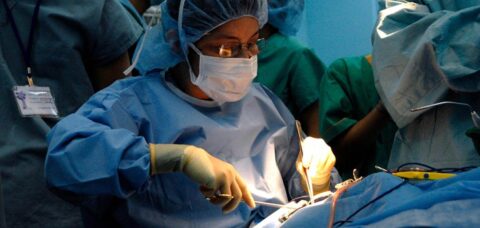
Do you know what is behind the white coat?

operations

Wow!  This is one to worry about,

For so many reasons the word,” Surgeon to me means the guy has a lot of experience and knows what he is doing.”

 To find out that may not be the case, is a point I would not like to know just before an operation.

Then you find out that not all surgeons have undergone the same training, there are no restrictions on who can use the title, but the RCS wants only those with a medical degree and surgical training to be able to do so.

But others who use the title defended their right to do so. ?

It takes around 16 years of training and experience for surgeons to reach consultant level.

Those who the RCS feels should not use the title include “Podiatric surgeons,” they do not complete medical degrees, but are trained in the surgical and non-surgical treatment of the foot.

But a spokesman for the Institute of Chiropodists and Podiatrists, which represents podiatric surgeons, defended the use of the title.

“Podiatric surgeons are specialist foot surgeons who have trained exclusively for up to 12 years in the surgical and non-surgical treatment of the foot and associated structures.

He said they develop “highly skilled and meticulous surgical techniques”, and had to undergo six years of podiatric medicine training before completing masters in podiatric surgery in order to qualify for the title.

There are almost 80 “podiatric surgeons” working in NHS hospitals, some of them have even been awarded the title of Consultant, a situation which causes much confusion among patients who believe they’re being operated on by medical doctors.

The Department of Health was asked why surgeons with unaccredited qualifications are permitted to operate in NHS hospitals.

They replied: “The Department of Health has previously expressed concern to the Society of Chiropodists and Podiatrists about the use of the term “surgeon” which is protected for healthcare professionals who have a medical qualification as recognised by the GMC for doctors.”

In the early 1990s the Department of Health published a document called “Feet First” which promoted the idea of chiropodists with some surgical training performing procedures within teams.

It’s common for chiropodists to do minor skin surgery – removing in-growing toenails and corns for example. But a group of ambitious chiropodists realised that there was nothing to prevent them from doing ever more complex surgery.

In a presentation called “Crossing Professional Boundaries” to the Society of Podiatrists and Chiropodists, one member of the society quoted a podiatric surgeon as saying:”We were fully aware at the time that there was nothing in law to stop us from doing bone surgery… and that loophole is what we used…it would be very difficult for the law of the land to stop you.”

The Society of Chiropodists and Podiatrists established the Faculty of Podiatric Surgery as an educational establishment and the body chiropodists would apply to for training as a podiatric surgeon.

On its website the faculty says its qualifications are registered under the Health Professions Council. But when asked about this registration, the HPC told BBC London:

“There isn’t a specific podiatric surgery course on our accredited list.”

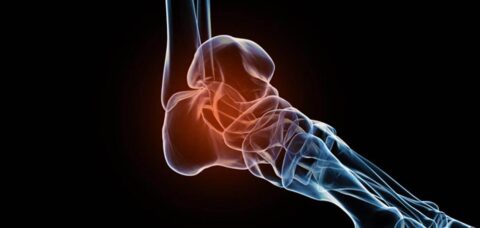
Some of the Problems/ Injuries that occur Insertion Tendonitis This is an inflammation at the point where the Achilles tendon inserts into the heel bone. When you have this problem you will have tenderness directly over the insertion of the Achilles tendon, which is commonly associated with calcium formation, or a bone spur forming just above the insertion point. You may also suffer a Retrocalcaneal bursitis; this is caused by movement-related irritation of the Retrocalcaneal bursa, the fluid-filled cushioning sac between the heel bone and the Achilles tendon. The bursa can become inflamed or thickened and stick to the tendon, because of overuse or repetitive loading. You will feel pain when squeezing the tendon itself or the space just in front of the tendon.

Patient safety

The Society website also claims that a podiatric surgeon can apply for an NHS post after being awarded a fellowship at their own faculty of podiatric surgery, as well as the Royal College of Surgeons in Edinburgh.

The Problem is that the,RCS in Edinburgh say that they don’t have a single podiatric surgeon as a fellow, and yet there are 80 of these surgeons working in the NHS.

In contrast, a medical doctor training in England to become a surgeon would need to complete a training programme recognised by the Royal College of Surgeons, which in turn is overseen by the Post Graduate Medical Education Training Board – the statutory body responsible for all postgraduate medical training.

The Department of Health says: “The employer is responsible for ensuring that they (podiatric surgeons) are competent to undertake the role and that patient safety is not compromised.”

Another group the RCS feels should not use the title surgeon are “Aesthetic surgeons”, who may not have a medical degree or undertaken specialist training.

The British Association of Aesthetic Plastic Surgeons (BAAPS), whose members are fully qualified, backed the RCS.

It said it wanted to “draw a line in the sand”.

BAAPS president Mr Fazel Fatah said: “The public has been misled and cheated for too long by practitioners falsely claiming to be surgeons, without having the training and qualifications required.

“The issue is at the very centre of patient protection and the public deserve the peace of mind that doctors who carry out surgery are qualified and trained for that purpose.”

The college said its poll showed 92% thought use of the title should be protected in law.

Sue Woodward, chairwoman of the patient group at the RCS, said: “Currently patients are being left in the dark and cannot make informed decisions about their treatment.

“The law must be changed so only those who have undertaken the extensive medical training it takes to become a surgeon can use this title.

“This will avoid patients misunderstanding the qualification of the person treating them in the future.”

Prof Norman Williams, president of the RCS, said: “It was extremely worrying that in the health sector clarity regarding job titles is lacking.

“Patients undergoing treatment have a right to know the credentials of the person to whom they are entrusting their safety.

“The law can be very strict in protecting working titles and we believe the same legal cover should be extended to the title surgeon.”

A member of the Department of Health said: “They would expect employers to make sure that job titles are not misleading to the public.

People may reasonably expect that someone who describes themselves as a surgeon is a registered doctor. They will always keep issues like this under review.

“The Department of Health is fully supportive of podiatrists who have undergone the appropriate training performing surgery of the foot and ankle.

“These professionals are regulated by the Health Professions Council (HPC) to ensure that they deliver high quality care for patients.”

Wow! This is one to worry about, for so many reasons the word Surgeon to me means the guy has a lot of experience and knows what he is doing. To find out that may not be the case, is a point I would not like to know just before an operation. Then you find out that not all surgeons have undergone the same training, there are no restrictions on who can use the title – but the RCS wants only those with a medical degree and surgical training to be able to do so.

Ok most of this is on the BBC news page about Health issues, but this is not the only situation that needs to be addressed.

There are people and business claiming to be Therapist who have not got qualifications, practising treatments on people that they are not qualified to do, without insurance, not belonging to any professional body and not having a clue about Anatomy, physiological, psychical and psychological well being. They are only out there for the money.

Then thankfully we have the therapists who, care about their clients believe in what they do, have studied hard, in their chosen subject and continue to do so, they are members of a recognised organised body and have full insurance.

I know the type of Practitioner, I think most people would prefer to go to and be a lot saferIt is so important that if you go to a therapist that they can prove their qualifications and knowledge, know what they are talking about can answer your questions, and if necessary can talk to your Doctor.”

I have a good relationship with my clients and in many cases can discuss things with their Doctor, I also have working relationship with a Physiotherapist, Chiropractor and an Orthopaedic Consultant, all of whom I can call on to aid assist and even refer the client to if and when necessary.

My advice to anyone is checking first it is your body and unlike a car if goes really wrong you can’t replace it.

Pelvic Pain In Norwich Norfolk

Running Seriously

Pelvic pain (SPD) Symphysis pubis dysfunction or (DSP) Diastasis Symphysis Pubis it hurts and it has a lasting effect if not treated.

Ladies you seem to want to know more about this condition. These seem to be the questions and we know a lot of you seem to feel that you don’t get the answers, we hope this will go some way to help.

Pelvic pain can be divided into nineteen different pathological types . Patients often  described Pelvic Pain as a nasty, vile pain that can halt quality of life on a mentally  and physically scale.

This is very true to life  description .

Dealing ,with the fascial /tissue and neurological is only part of the answer to gain a positive clinical outcome. Here at Get Fit Stay Fit Norfolk can help you with the, physical side of recovery.

Cutting edge equipment, Neuromuscular Injury Therapy Techniques will help you  recover .

Pelvic pain can be divided into nineteen different pathological types . Patients often described Pelvic Pain as a nasty, vile pain that can halt quality of life on a mentally and physically scale. This is very true to life description . Dealing ,with the fascial /tissue and neurological is only part of the answer to gain a positive clinical outcome . We at Get Fit Stay Fit Norfolk can help you with the physical side of recovery. Cutting edge equipment, neuromuscular techniques

What is Symphysis pubis dysfunction? How is SPD diagnosed?

SPD is caused when the gap in the pubic joint widens too far. The average gap between the bones in a non-pregnant woman is between 4mm and 5mm. During pregnancy it’s normal for this gap to widen by 2mm or 3mm. If the gap is 10mm or more, SPD is diagnosed. It’s rare, and can only be identified by scan or x ray.

What causes SPD?

The two halves of your pelvis are connected at the front by a stiff joint called the Symphysis pubis. This joint is strengthened by a dense network of tough, flexible tissues, called ligaments.

During pregnancy your body changes and you produce a combination of certain hormones, to help your baby pass through your pelvis as easily as possible, one such hormone is Relaxin this is the hormone that softens your ligaments. This then allows, your pelvic joints to move more during and just after pregnancy, but if the joint has become too wide, or for one side to move more than the other it creates the condition known as Symphysis Pubis Dysfunction (SPD) it will cause inflammation and the pubis to become tender, in some cases more severe pain.

Is the size of the gap the problem?

In truth no, the gap in your joint doesn’t bear any relation to the amount of pain you may feel. Many women with a normal-sized gap feel a lot of pain. It comes down to a lot of different things it seems one school of thought is that you may be more likely to develop SPD if you started your periods before you were 11, or if you are overweight .

Though we have treated a client who was far from overweight, and had not started her periods early, “So please don’t, beat yourself up or blame yourself for the condition there can be many reasons.”

When does SPD happen?

Unfortunately SPD can occur at any time during your pregnancy, or in some cases after giving birth. You may not have it on your first pregnancy you may notice it around the middle of your pregnancy. One thing is for sure that once you have had SPD in one pregnancy, it is more likely that you’ll have it next time you get pregnant Also the symptoms may also come on earlier and progress faster

What are the symptoms of SPD?

Pain will most likely be in the pubic area and groin, but you may also have the following signs, you may feel a grinding or clicking, sensation in your pubic area.

Pain can be down the inside of your thighs or between your legs. It can be made worse by parting your legs, walking, going up or down stairs or moving around in bed.

Back painpelvic girdle pain, this can be worse pain at night.  As SPD can stop you sleeping well and getting up to go to the toilet in the middle of the night can be especially painful.

So it is important to seek help promptly.  If possible and most Doctors would agree with this before, trying to get pregnant again. It is better for you, if you allow the symptoms from the previous pregnancy to settle.

How is SPD treated?

SPD thankfully is becoming more widely understood by Doctors, and Midwives.  It is one of those things that for some reason was not talked about and should be, from when young girls are taking sex lessons in school, to when a women is preparing to have a baby,

A woman needs to be prepared, and ladies I can’t emphasise enough the need for Pelvic Floor Exercise, you should be doing this from when you start puberty get those muscles strengthened, they do a lot of work and it can save you problems during pregnancy, also after even into the menopause .

I know a lot of you say I can’t do them or you don’t think they are that important, but they are.

To do pelvic floor and tummy exercises. Get down onto your hands and knees and level your back so that it is roughly flat. Breathe in and then as you breathe out, squeeze in your pelvic floor muscles and pull your belly button in and up. Hold this contraction for between five and 10 seconds, breathing through it. Relax your muscles slowly at the end of the exercise.

Your doctor or Midwife can refer you to a specialist women’s health Physiotherapist who should have experience in treating SPD also these days some Sports Injury Therapist that have dealt with a lot of back, hip injuries can be of a great assistance.

They will test the stability, movement and pain in your pelvic joints and muscles, they also want to hear you describe your symptoms.

Exercises especially focused on your tummy and pelvic floor muscles will improve the stability of your pelvis and back.

You may need gentle, hands-on treatment of your hip, back or pelvis to correct stiffness or imbalance. This is where a Sports Injury Therapist can be of more help to you.

Exercise in water can sometimes help, but not any strong swimming, or standard water aerobic lessons. Avoid swimming breaststroke for any length of time it’s all about gentle movements, take care with other strokes. butterfly may not be advisable

You may feel swimming is helping your pain while you are in the water, but it could make you feel worse when you get out. , talk to an instructor’ they do have special classes for pregnant ladies and knowledge of this condition is important, so be sure that they know about it.

Your midwife will also be able to give advice on how to make daily activities less painful, also on how to make the birth of your baby easier. Your midwife should help you to write a birth plan which takes into account your SPD symptoms.

Make sure any therapist is trained and experienced in working with pregnant women you may need to go the route of. Osteopathy and Chiropractic treatment, but again, see a registered practitioner who is experienced in treating pregnant women

A pelvic support belt will give quick relief, but be sure it is the right fitting for you and you are comfortable while wearing it.

You’re very likely to recover after your baby is born

Though carry on with seeing your therapist after the birth. It will help during the early weeks. You may also find you get twinges every month just before your period is due. This is caused by hormones which have a similar effect to the pregnancy hormone Relaxin.

Don’t forget this is still your body though it may seem alien to you and all the things that come with pregnancy that make you feel rotten you can be too much sometimes, but you must make time for you and it will feel better and ladies here in Norwich at Getfitstayfit Norfolk we are here for you during with gentle hands on massage therapy.

After the pregnancy.

We have the Bioneuro Therapy System Sigma Q (∑Q®) to aid and relive the pain and discomfort of SPD, help strengthen the muscles and  unlike  as many of you ladies know the vaginal probe, that  can be painful and has the burning feeling and it is uncomfortable.

The Bioneuro Therapy System Sigma Q (∑Q®) is external and non intrusive, so you will not have the same issues as with the vaginal probe.

Here are some Self-help tips you can follow and you can do yourself to ease your pain:

Do the pelvic floor and tummy exercises

Try not to move your legs apart when your back is slumped while you are lying down.

Take care when getting in and out of the car, bed or bath.

If you are lying down, try pulling your knees up as far as you can as it  stops your pelvis from moving and makes it easier to part your legs.

When you are sitting, try arching your back, breathing in sticking your chest out, clenching the glutes, before parting or moving your legs.

When getting dressed it is better if you sit down to pull on your knickers or trousers.

Do Not Push Through Any Pain. If something hurts,, don’t do it. If the pain is allowed to flare up, it can take a long time to settle down again. So stop, relaxes and take your time.

Move little and often. You may not feel the effects of what you are doing until later in the day or after you have gone to bed.

You must rest regularly by sitting on a birth ball or by getting down on your hands and knees. This will take the weight of your baby off your pelvis and holds it in a stable position
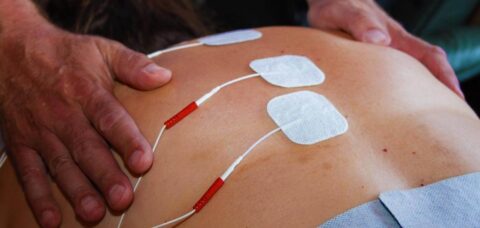
Do not do heavy lifting, this also means if you have a little one already you are not picking them up and putting them on your hip. In fact mums this is not a good thing to do for any one as it will put your body out of synchronisation .and pushing. supermarket trolleys can often make your pain worse, so shop online or ask someone to shop for you, this is a great time to train the husband , and get him to come with you, he may even enjoy it, also a lot of supermarkets have the disabled scooters , don’t be afraid to ask to use them . Also the assistant will help you.

Do not do heavy lifting, this also means if you have a little one already you are not picking them up and putting them on your hip. In fact mums this is not a good thing to do for any one as it will put your body out of synchronisation.

No pushing. supermarket trolleys this can often make your pain worse, so shop online or ask someone to shop for you.

This is a great time to train the husband , and get him to come with you, he may even enjoy it, also a lot of supermarkets have the disabled scooters , don’t be afraid to ask to use them, also the assistant will help you.

When climbing stairs, take one step at a time, step up onto one step with your best leg and then bring your other leg to meet it repeat with each step.

You will get there, you have done an amazing thing you will have carried a child for 9 months your body has gone through a lot of changes, it will never be the same, so learn to love you and remember all in good time.