Hamstring Injury Treatment In Norwich, When You Need Help Fast.

Hamstring Injury Treatment

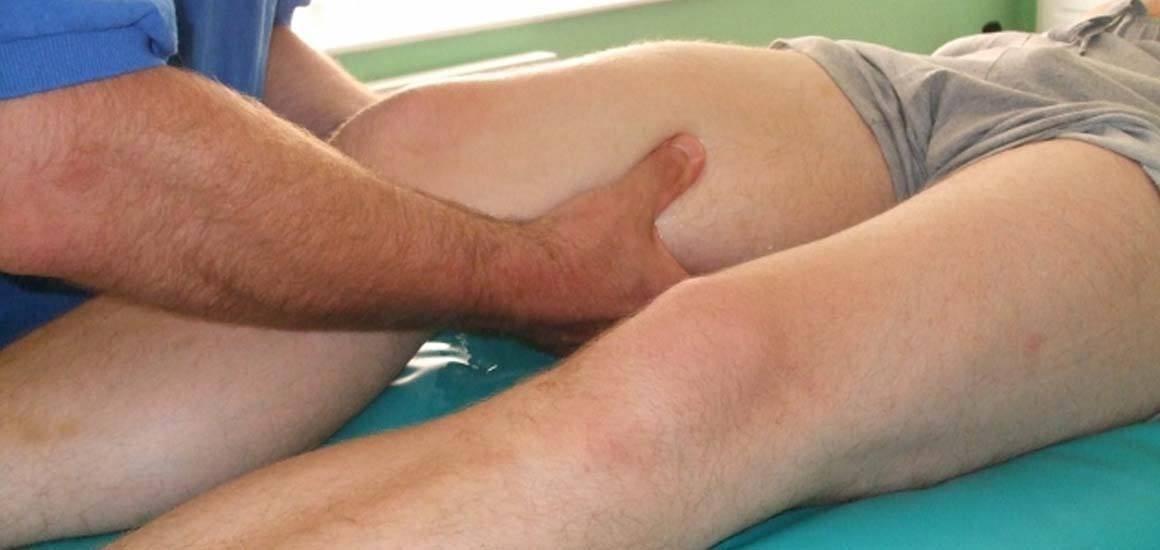
Jonathan came to us with very tight Hamstrings, as someone who plays a lot of Rugby, he needed this to be dealt with quickly, leaving it and waiting for it to recover on its own was not an option.

Hamstring Injury can cause further Muscular Issues in the Body.

Jonathan’s Testimonial

Thank you for the treatment I received last week on my hamstrings. Since starting back, pre season rugby training my hamstrings have really suffered. So I thought it best to get some help, I have had treatment from Steve Kirby of Getfitstayfit Norfolk for other injuries I have suffered, but decided I needed to be on top off this from the beginning.

Jonathan came to us with very tight Hamstrings, as someone who plays a lot of Rugby, he needed this to be dealt with quickly, leaving it and waiting for it to recover on its own was not an option. Hamstring Injury can cause further Muscular Issues in the Body. Jonathan’s Testimonial Thank you for the treatment I received last week on my hamstrings. Since starting back, pre season rugby training my hamstrings have really suffered. So I thought it best to get some help, I have had treatment from Steve Kirby of Getfitstayfit Norfolk for other injuries I have suffered, but decided I needed to be on top off this from the beginning.

Steve used  Bioneuro therapy system Sigma Q(ΣQ)® which  really got deep into the affected area marking a huge and lasting difference.

Then using Sports and Neuromuscular Injury Techniques  treatment on the Hydrotherm Massage bed, was a great way to finish the treatment. The warm bed is fantastic, making me feel very relaxed and comfortable.

All together the whole treatment was great.

Many thanks

and I look forward to future treatments that I may need

Regards

Jonathan

Sprained Calf! Muscle Injury in Norwich, Full Recovery with Getfitstayfit Norfolk

Sprained Calf

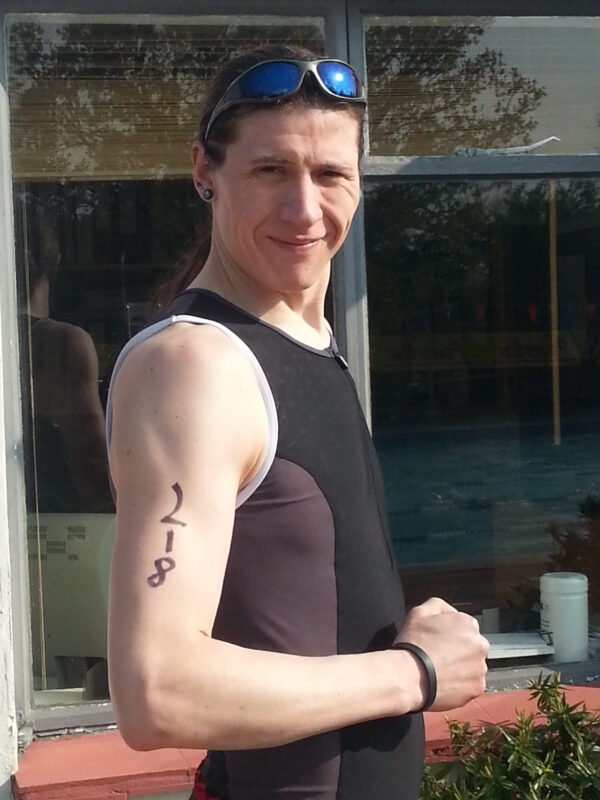
Stuy is a client, that has always  worked his body hard and expected a great deal from it, he has also always looked after his body and is extremely fit,   he still is, but a quite severe unexpected injury took it’s toll and created a problem that he knew he had to deal with. This is a recent email we received from him.

Hi Steve.

Well its been a few months since I saw you, with my nightmare Sprained Calf!

I was having a terrible start to the year missing 4 events due to injuries, and I had totally lost my motivation and was feeling very down and negative.

And the from the 1st moment I met you, you inspired my confidence that everything was going to be ok again, when you said.   “We WILL Re-build you!”  lol

I must admit I was a bit nervous putting my feet into a bucket of  water with electrodes in, but again you made me feel at ease, it was a strange sensation as the current worked its way and magic up from my toes. No pain, but could really feel it pushing my heels up, working the damaged muscles.

After the sessions where complete you had not only repaired the Physical, but just as important I was mentally ready, I was “buzzing” ready to take it slowly and get back on track.

I have competed in 3 Triathlons, and feeling great, the injury has totally gone and no problems.

Guyon’s Tunnel Syndrome. Is a common nerve compression affecting the Ulnar nerve as it passes through a tunnel in the wrist called Guyon’s canal It is a similar problem to Carpal tunnel syndrome, but involves a completely different nerve. With Guyon’s tunnel syndrome you will get a feeling of pins and needles in the ring and little fingers, this may also progress to a burning sensation or pain in the wrist and hand it may then be followed by decreased sensation in the ring and little fingers. I reckon a few avid cyclists are going to recognize this symptom as one common cause of this syndrome is from pressure of bicycle handlebars.

I recently swam 4500m in open water, and have entered a half Iron-man for the end of September.

So onwards and upwards, I have my inspiration back and just want to keep growing & improving.


Thanks again Steve for the helping me Get fit and STAY fit!

Cheers

Stuy

I recently swam 4500m in open water, and have entered a half Iron-man for the end of September. So onwards and upwards, I have my inspiration back and just want to keep growing & improving. Thanks again Steve for the helping me Get fit and STAY fit! Cheers Stuy
Then from a clients wife a message he is a Iron-man competitor and triathlete she just wanted to say “Thanks for fixing her husband. He completed Vichy iron-man in 12:32:58 his best iron-man time so far. Then just to top it all a client that had been trying to get a MRI scan with not much success asked me to send a letter to her GP to see if would help, I explained in the letter my finding with the “Bioneuro Assessment tool”, they have now agreed with letting her have the MRI

Ski Injury Recovery And Rehabilitation In Norwich

Ski Injury Recovery And Rehabilitation In Norwich

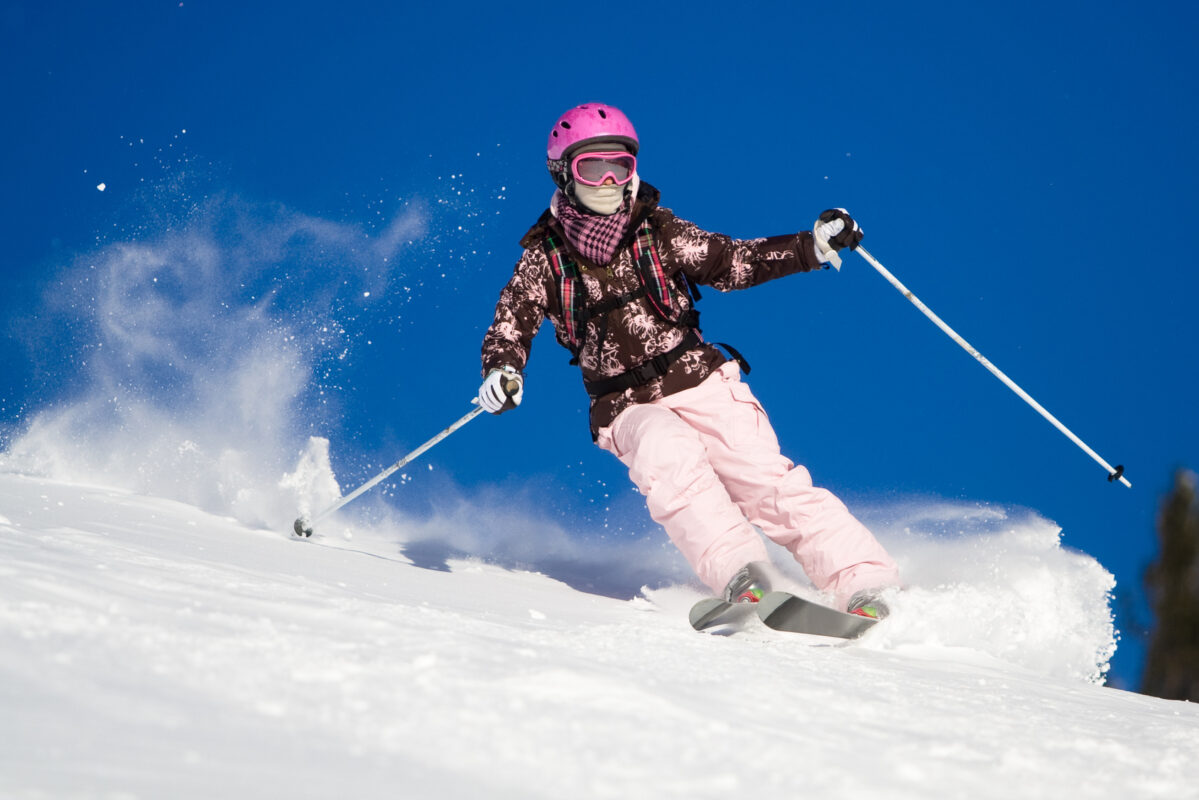
 I  was reminded by one of my clients that it was, Skiing time.

With all the rain we have had and the mildness of the weather it had not occurred to me,

but now with  I feel it is time to talk to folks about Skiing Injuries

like any other sporting injury they can vary, but lets face it  broken arms legs  seem to be the usual suspects, as for your muscle’s, strains and sprains are very prominent , lets not forget you are in cold conditions, so if muscles don’t have time to warm up they will pull and more than likely  to tear.

Although sometimes disasters happen like  the incident that has affected   Michael Schumacher,  these are rare these days and we are thankful he is in a stable condition, also  the German Chancellor Angela Merkel has injured her pelvis on a cross-country skiing trip during her Christmas vacation although she is still working, but  is now having to cancel some of her engagements.


Although sometimes disasters happen like the incident that has affected Michael Schumacher, these are rare these days and we are thankful he is in a stable condition, also the German Chancellor Angela Merkel has injured her pelvis on a cross-country skiing trip during her Christmas vacation although she is still working, but is now having to cancel some of her engagements.

I deal with recovery and rehabilitation of injuries, Sprains, Strains and recovery after all broken bones are  a regular occurrence and in all my years in business, I have had to deal with quite a few, dealing with them using Neuromuscular Injury Techniques, massage on the and with The Bioneuro Therapy System Sigma Q (ΣQ®) 

We all know that prevention is  better that cure and preparation is always better, unless you are to prepared to fail.

It is the same with suppleness and conditioning , if you have regular massage, you muscles are more supple and flexible therefore they will allow you to become more flexible, less prone to injury, no matter what sport or exercise you do.

Ice, snow are unstable surfaces, so it is more important that you counteract that with stability in your body.

Here are some of the Common injuries, and how it may be possible to  avoid them.

 Skier’s thumb. ( A nice name for also known as Gamekeepers Thumb)

This is a  upper extremity injury, affecting  the stabilizing ligaments on the sides of the thumb joints – usually the inside or ulnar collateral ligament (UCL).

How does it happen

It often occurs when a skier falls and they do not release the ski pole, causing over-bending and stressing of the thumb. The first thing is the pain, you will feel it, do not ignore this it is a  signal to see a Doctor or therapist , It could be a  partial tear of the ligament, possibly treated with a splint; a Therapist would be able to advise you because if it is a complete tear it will need surgery, you will need to see a therapist for rehabilitation work after surgery to get you back on track.

Tips on prevention of this injury

Your reaction is to hold on to the Ski pole, Don’t you have to let go of your ski poles the moment you fall. There are certain poles because of the type of handles,  as a beginner you should avoid talk to the Ski shop advisers for information on this to help decrease risk

Knee injuries

As I said the main problem,  40% of all skiing injuries, are  either ACL (Anterior Cruciate Ligament) or MCL (Medial Collateral Ligament) sprains or tears of these ligament and muscle groups,  being the most common.

How does it happen

Knee injuries  usually occur  as the result of the something Skiers call the  Snow Plough Position, ( Imagine you are doing a squat with your knees to far forward, past your toes, your body is not stable and the most extreme point is your knees), so when a skier is falling  in this position  they will hit the knee joint with excessive force. Another injury  caused to the knees, can be because of  Skis crossing or stance widening too far . Again, we may be looking at splinting   as it may resolve the injury, but again there is a possibility of more ruptures occurring,  you may  require surgery. Therapy will defiantly be needed after this and the sooner the better, early intervention, will defiantly speed up recovery.

Tip on prevention of this injury

The best prevention  here is pre-conditioning of your quads, Massage and the correct sort of workout building steadily, should help considerably.  Proper maintenances is so important. Avoid an overly-wide stance, and if you do start to fall, don’t resist, go with it. ( one other tip is why not go to a Jujitsu class and ask for a few lessons  in learning how to fall you will be in a safe environment with guys who specialise in that sort of teaching )

Head injury

As with any head injury it is a must that you get it checked out Straight away DO NOT leave it under any circumstances.

Tip on prevention of this injury

I will pull no punches here. These  can be fatal when skiing at high speeds. So it is important that helmets are worn  they are vital protection, you may find your self in a situation  of travelling down the slope 2-3 times faster than the recommended range, for even the best helmet protection, so if your new to the sport please stay in  the designated areas advised and listen to your instructors.

There is no if’s or maybes about this one, You should always wear a helmet,  you should also monitor your speed to stay within a safe zones. Also, be aware of others around you and your surroundings, use your common sense to avoid collisions, remember you are on a slope of a mountain,  there will be people above you so  look uphill as well as down, and give way when you need to as they may not be able too , Always  follow directions on the signs it could well save your life.

Neck and Shoulder Injury

These can occur from a sudden fall, damage may be to the Clavicle or Scapular  also injury to the Humerus because of impact due to the fall, these injuries seem to be more prevalent with Snowboarders, than Skiers.  In this case it may be a hospital trip to put things back in order, you may also have damage to muscle groups from the Trapezius, Rotator Cuff muscles, to Rhomboids if these muscles are tight, this can be the case especially if you are in a sedentary  working environment  and not use to a rigorous activity, then these muscles are suddenly having to do a lot of stretching  and work.

Tip on prevention of this injury

Try to stay flexible with shoulder and neck muscles, lots of exercises you can do keep supple, massage can be essential for these muscles, as we do seem to not use them as much as we should. When you feel tired, relax these muscles and a hot soak in the bath or a session in a steam room can always be good for them.

If you are New to skiing some quick tips to help:

1. Don’t overdo it, trying to impress your friends, we all need to start out somewhere and if you want to continue with the sport do it sensibly . Start out on easier terrain,  improve your skills gradually take your time enjoy it, you are not in a race you are on a steep learning curve . Before you even start on the real thing , get in shape prepare those muscles, have  proper training, try a dry slope.

2. There is a  skier’s “code of conduct” – these are common-sense rules, you will see them posted on the slopes, don’t ignore them, They are for your benefit, your  protection, and for  the safety and of others, don’t become and injury statistic.

3. We have not mentioned the Ski lifts .You must  Pay attention to them and others when getting on and off the lift, this can be a prime time for injury, and you don’t want that, on your first time out.

4.You have to take breaks. I know in the  excitement you will want spend your Ski time challenging yourself . Injury rates do increase with fatigue, when you are tired you are not focused, pace your self , rest when you feel you need to take it sensibly and steady  , as with any  exercise you will need to stay hydrated so you still need to drink plenty of water.

5. Learn to take the fall; Don’t fight it , as I have already stated  fighting it is how ligaments get torn and damaged. Your bottom can is your best friend  If you can, sit down to break the momentum Also this will naturally bring you down into a foetal shape. Tucking every thing in. Less area to damage.

6.  Take lesson from a professional, that is what they are there for, to improve your technique you skill and to help you avoid any bad habits , don’t take short-cuts , they will not do you any favours .

If you do sustain an injury

You should see the doctor, don’t be a hero, whenever you sustain any type of injury. Skiing injuries  should always be evaluated to avoid the possibility of long term damage, most can usually be treated without operative intervention and can be stabilized  and treated  by a therapist  with excellent results.

Before you venture out on the slopes, get in shape!

Skiing  will put heavy demand on some major muscle groups, so lets get them prepared. I will say this again regular massage is a preventative  measurement as well as a recovery and rehabilitation measure.

Quadriceps are the main muscle group used for skiing; they maintain your stance and protect your  knees. You need to get them in shape, try squats and remember  your knees should not go over your toes.

Glutes & Hamstrings: These allow you to  flex, forward into the leaning position needed for  downhill skiing, it  requires great strength and a lot of work  from your hamstrings and glutes.

Thighs: Your  inner thighs keep the skis together, while outer thighs are the main  provider of stability and steering.

Calf muscles the Gastrocnemius and the Soleus.  keep you upright over your bent knees. These are your power house you need to strengthen them.

Abs and Back:  When Skiing you need to be in the proper flexed, bent position but this will put stress on your back. You need to  strengthen your core stability to prevent spinal injury.

Arms: You need to be able to  push-off with power and stability, so work on the  shoulder joints,  biceps and triceps need to be  part of your  preparation routine.

Look at the whole package and work it out with your trainer, don’t miss out the massage it is a must to keep all those muscles in top working order. 


Recovery & Rehabilitation or the Limbo Room

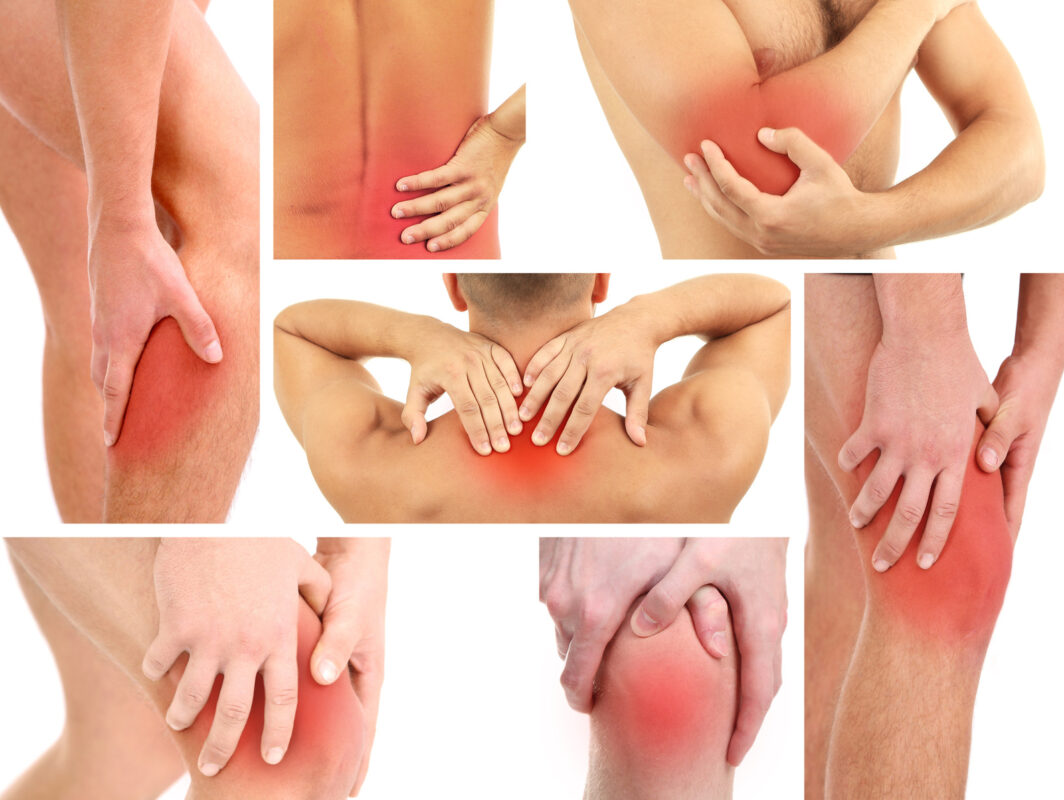
You have had an injury, be it shoulder , back , hip ,or knee, it is your injury.Back Pain In Human Body You did not want it,no one wants’ it to happen, you did not expect it, so the question is. What are you going to do now ?

You have had an injury, be it shoulder , back , hip ,or knee, it is your injury.

You did not want it,no one wants’ it to happen, you did not expect it, so the question is. What are you going to do now ?

You can.

Take painkillers to mask it and stay in the Limbo room to wait for it to heal on it’s own maybe.


Recovery & Rehabilitation or Over Medication

Or you can.

Move forward to the Rehabilitation and Recovery room , make progress, towards getting your life back on track again.


We know Massage releases the “feel good factor” and there is a reason for that it is not all about just relaxing, massage helps release Endorphins and Dopamine, it is the physical input that the therapist applies to the patient and how it is applied that makes the difference.

 Which is it going to be ?

These are the decisions only you can make for yourself, but you do have options, besides waiting in the Limbo room and taking painkillers.

Fact’s

The sooner an injury is treated the easier it is to treat, the sooner it will heal, early intervention always helps.  Keeping Muscles Supple is a must. as muscle tightness (Hypertonicity)  in the injured and surrounding area of the injury, can cause you real pain to the point that it could prevent you from getting the exercise you need, to help you progress to getting you back to fitness.

Muscle Activation Techniques  need to be applied and  the sooner the better, to aid in the  progression to the recovery and rehabilitation stage after an injury, unused muscles don’t help you in any way.

We have  an in-depth understanding of the mechanical principles of the Musculoskeletal body, we are able to address and intervene in aiding these  Musculoskeletal  imbalances that occur due to injury, quicker than conventional methods.

By using the tools such as The Bioneuro Therapy System Sigma Q (ΣQ®) this is a tool used, to aid in rehabilitation of some of our Elite sportsmen and women and can get to the deep muscle issues, that unfortunately can’t be reached with normal muscular release techniques, due to the fact, that  in the early stages or a muscular injury, the pain factor felt  by the injured person, can be so overwhelming for them.

Using the Hydrotherm Massage Therapy System, this is a system that is used in spinal injury treatment  to alleviate pressure on the injured area as it allows for  better accessibility. It gives us the advantage of being able to treat the area without adding further discomfort for the injured person.

If an injury is  left,  It will be  these muscular Skeletal  imbalances that  may lead  to chronic and repetitive stress injuries. In later life. as  once something is damaged it will never be the same it becomes week and prone to injury.

This need not be the case if Early intervention and the correct treatment is applied.

Muscle Tightness happens to us all at some point, but do you know why and what can you do to help prevent it ,  first of all you need to remember that all Muscles Pull and to pull it is only one way Up, we all know we have muscle groups, but what happens when one member of the group does not want to work?

It does not stop the rest, in fact they take on the extra work they become Martyrs to the muscle that is not doing it’s share, they are protecting your body and being overworked.

What we have to do is find  the culprit, that is not doing it’s job, by doing certain tests.

As  a muscle’s job is to produce motion, control and stabilize joints  Then you will find that If, one or more muscles are tight, depending on the stress exists, it will  follow logically that certain ranges of motion from one side of the body to the other will not be symmetrical when tested.

Recruitment of muscles will be off balance , it will show to  the trained eye and hands what is going wrong.

Then we move onto Rehabilitation, do you know we have, Muscle memory we do and it has been used synonymously with motor learning, which is a form of procedural memory that involves consolidating a specific motor task into memory through repetition. When a movement is repeated over time, a long-term muscle memory is created for that task, eventually allowing it to be performed without conscious effort. This process decreases the need for attention and creates maximum efficiency within the motor and memory systems, this can be a great thing if you are fit and well as your muscles will work in a fluid motion within your body, but when you are injured, your muscles react differently, they want to tighten up to protect themselves so that they won’t get injured again, some muscles have to take over other muscles work , as the injured muscle wont stretch out , it becomes a habit and a default position.

So next time you have

Shoulder, back, hip, neck, leg, or even foot tightness, etc. from your Sports  workouts or your  day-to-day occupational  responsibilities, consider it as an important warning don’t just ignore it,  start finding out where the cause of the problem exists. The symptom of pain and tightness are a sign and often exists simply because some muscles have and not  done their job, get it checked keep on top of it.

Because if we only look at the symptoms when an injury occurs and  not  the root cause,

we will not be in a position to prevent chronic problems, becoming exacerbated in later life.

Our Treatment today will be a good investment

for your physical abilities tomorrow.

Give your Achilles Tendon a Bit of a Lift? Part 1

Achilles Tendon

He may have died in the Greek Trojan wars, this tendon is named after him, it is the thickest and strongest tendon in the body, but  to  to many a Runner it is synonymous to injury and be the cause of pain, most  know it as The Achilles Tendon. or the Calcaneal Tendon or the Tendo Calcaneus.

Over the years I have found myself treating many, Achilles Tendon Injures some, after surgery, but I am happy to see more people, getting treatment before the situation has deteriorated to the point that only option is that of surgery, I hope this information may help some of the runners to avoid.

Problems that Occur with the Achilles Tendon.

The Achilles is the tendinous extension of 2 muscles in the lower leg: gastrocnemius and soleus. It also serves to attach the plantaris, gastrocnemius (calf) and soleus muscles to the calcaneus (heel) bone, In humans, the tendon passes the  posterior of the leg to the ankle It is about 15 centimetres (6 in) long, and begins near the middle of the calf.

 The Achilles’ muscle reflex tests the integrity of the spinal root.  The tendon can receive a load stress 3.9 times body weight during walking and 7.7 times body weight when running. (Think about  that on your next run)  Achilles tendon ruptures are most likely to occur in sports requiring, sudden eccentric stretching, such as sprinting, also long runs pounding the pavement will do the job just as well.

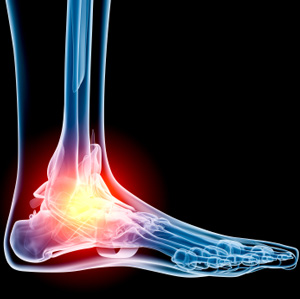
Some of the Problems/ Injuries that occur Insertion Tendonitis This is an inflammation at the point where the Achilles tendon inserts into the heel bone. When you have this problem you will have tenderness directly over the insertion of the Achilles tendon, which is commonly associated with calcium formation, or a bone spur forming just above the insertion point. You may also suffer a Retrocalcaneal bursitis; this is caused by movement-related irritation of the Retrocalcaneal bursa, the fluid-filled cushioning sac between the heel bone and the Achilles tendon. The bursa can become inflamed or thickened and stick to the tendon, because of overuse or repetitive loading. You will feel pain when squeezing the tendon itself or the space just in front of the tendon.

Some of the Problems/ Injuries that occur

Insertion Tendonitis This is an inflammation at the point where the Achilles tendon inserts into the heel bone. When you have this problem you will have tenderness directly over the insertion of the Achilles tendon, which is commonly associated with calcium formation, or a bone spur forming just above the insertion point. You may also suffer a Retrocalcaneal bursitis; this is caused by movement-related irritation of the Retrocalcaneal bursa, the fluid-filled cushioning sac between the heel bone and the Achilles tendon. The bursa can become inflamed or thickened and stick to the tendon, because of overuse or repetitive loading. You will feel pain when squeezing the tendon itself or the space just in front of the tendon.

I know that retrocalcaneal bursitis are  associated with Rheumatoid arthritis ,but in most occurrences in athletes, only  one side is involved so may  not be associated with a “Systemic disease ” Please get this checked by your GP if you have any doubts”.

Tendonitis also involves pain in front of the Achilles tendon and a bony enlargement of the heel bone, known as Haglund’s deformity, which is referred to as a ‘pump bump.’ “Most cases of Haglund’s deformity will occur in ladies who wear high-heeled shoes, but runners are also prone to this sort of injury.